


NEWS XTRA
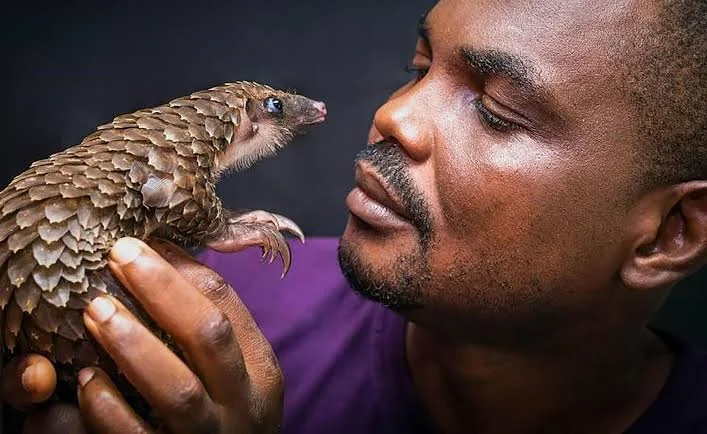
WILDLIFE EXPERT SEEKS SNAKE PROTECTION LAWS TO CURB LASSA FEVER
A wildlife expert has called for the introduction and enforcement of laws protecting snakes, arguing that conserving the reptiles could contribute to controlling the spread of Lassa fever by maintaining ecological balance.
According to the expert, snakes are natural predators of rodents, including the multimammate rats that are widely recognised as the primary carriers of the Lassa virus. Reducing snake populations, the expert said, may allow rodent populations to increase, raising the risk of disease transmission.
The expert urged policymakers to adopt conservation measures that protect wildlife while promoting public awareness of the ecological role snakes play in controlling pests and maintaining healthy ecosystems.
He also encouraged communities to avoid the indiscriminate killing of snakes, noting that many species are non-venomous and beneficial to the environment.
Public health specialists stressed that controlling Lassa fever requires a combination of measures, including proper food storage, improved sanitation, effective waste management, and reducing human contact with infected rodents.
Environmental advocates added that protecting biodiversity can complement public health efforts by preserving natural predator-prey relationships that help regulate disease-carrying animal populations.
The expert called for greater collaboration between environmental agencies, public health authorities, and conservation organisations to develop policies that support both ecosystem protection and disease prevention.
He further recommended increased public education on the importance of wildlife conservation and safe coexistence with beneficial animal species.
Stakeholders noted that balancing conservation goals with public safety remains essential, particularly in communities where encounters with venomous snakes may occur.
The expert concluded that strengthening wildlife protection alongside established public health strategies could contribute to long-term efforts to reduce the burden of Lassa fever and other rodent-borne diseases.