


BREAKING NEWS
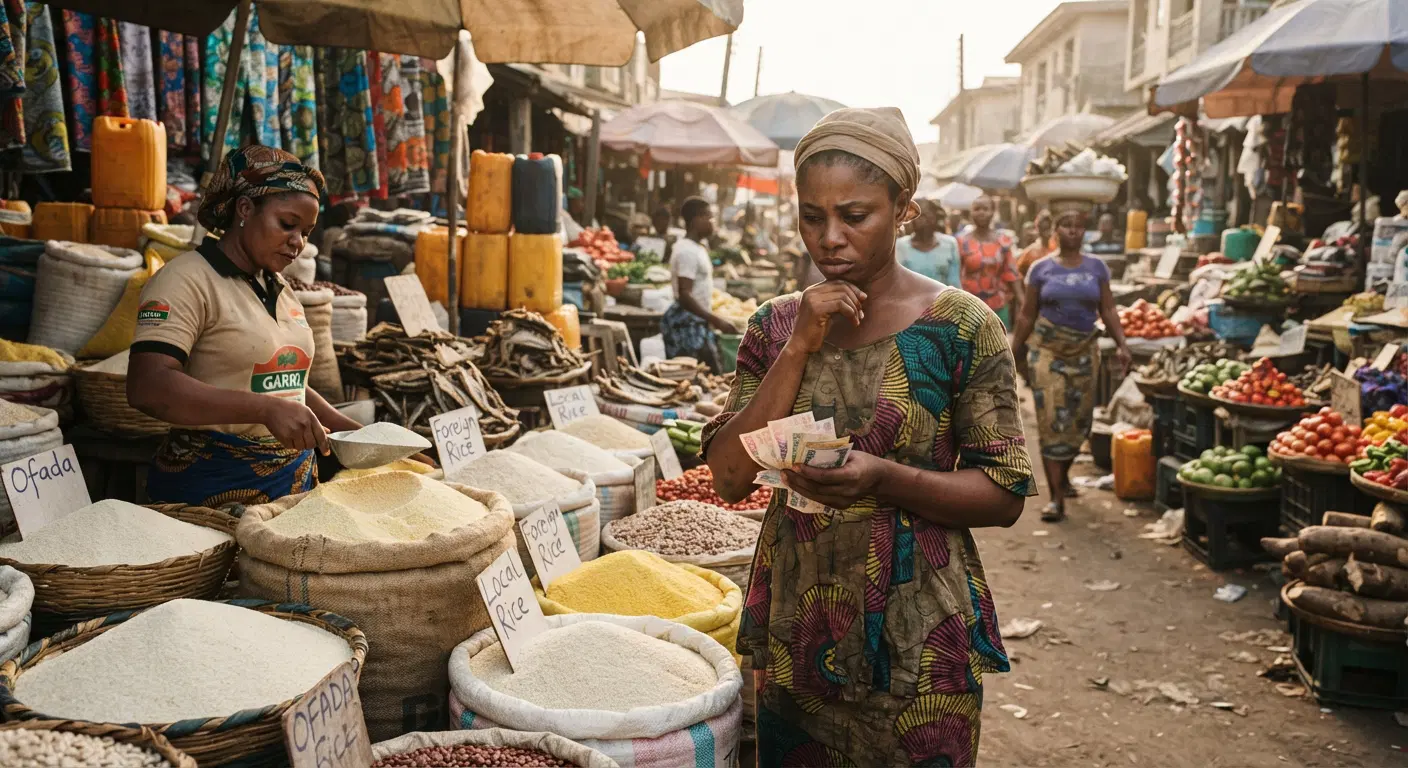
WHY FOOD PRICES REMAIN HIGH DESPITE FG’S INTERVENTIONS, ONGOING HARVEST
Why Food Is Still Expensive Despite Harvests and Government Support
For many Nigerian families, the arrival of harvest season has yet to bring the relief they hoped for at the market. Even where some food prices have fallen, the cost of feeding a household remains a heavy burden.
The problem goes beyond how much farmers produce. Food must be transported, stored, processed and distributed before it reaches consumers—and each stage adds costs.
Agriculture and Food Security Minister Abubakar Kyari has previously acknowledged this gap, saying improvements in production and lower farm-gate prices have not fully translated into cheaper food for shoppers.
Transport and processing remain costly
Fuel prices affect the cost of moving produce from farms to markets. They also influence milling, refrigeration and storage expenses.
Research published through the International Food Policy Research Institute’s Nigeria programme found that higher fuel costs were transmitted to food markets through these channels. This helps explain why a cheaper harvest at the farm may still arrive at a high retail price.
Insecurity continues to disrupt farming
Conflict in farming communities can limit access to land, displace workers and interrupt trading routes.
FEWS NET has identified insecurity and constrained livelihoods as major pressures on food access in parts of northern Nigeria. These problems can prevent supplies from reaching markets consistently, even during harvest periods.
Government support takes time to reach consumers
Measures aimed at increasing production cannot immediately resolve every problem in the supply chain. Better storage, reliable transport, affordable processing and functioning markets are also needed.
Harvests can increase supply, but the benefits vary by crop, location and the costs involved in bringing food to buyers.
Slower inflation does not mean affordable food
A decline in inflation usually means prices are rising more slowly. It does not necessarily mean they have returned to earlier levels.
Even when particular items become cheaper, households may still struggle if their incomes have not kept pace with previous increases.
Lasting relief will depend on reducing costs throughout the food supply chain while improving security, production and household purchasing power.