


BUSINESS
WHAT EXPERTS KNOW ABOUT NEPAL’S DEADLY FLOODS
A devastating flash flood along the Nepal-China border has left more than 160 people dead, with hundreds of others still missing as rescue teams continue searching affected communities.
The disaster struck on August 26 in the mountainous Rasuwa district after a sudden surge of water and debris swept through communities along the Lhende and Bhote Koshi river systems. The flooding destroyed buildings, roads and bridges and severely disrupted transport links in the region.
Experts examining satellite imagery believe the disaster was triggered by the collapse of part of a glacier at high altitude. The falling ice and rock crashed into the valley below, generating a powerful debris flow that rapidly pushed water and sediment downstream.
The United States Geological Survey said a seismic signal initially thought to have been an earthquake was instead generated by the glacier collapse and resulting debris flow.
Scientists say the event highlights the growing risks facing the Himalayas as temperatures rise and glaciers retreat. Nepal’s glaciers have been losing ice at an accelerated rate, increasing the potential for unstable slopes, glacial lakes and sudden floods.
However, experts caution that it is too early to attribute the disaster entirely to climate change. Further scientific analysis will be required to establish how warming conditions contributed to the specific glacier collapse.
The mountainous terrain also made the flooding particularly dangerous. A sudden release of water and debris can travel rapidly through narrow valleys, leaving communities with little time to respond.
Authorities have warned of possible further flooding because debris may have blocked sections of rivers upstream.
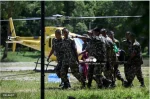
Rescue operations involving Nepali and Chinese authorities are continuing, while international agencies and neighbouring countries have offered assistance.
The disaster has renewed calls for stronger monitoring of glaciers, improved early-warning systems and better preparedness for sudden high-altitude floods across the Himalayan region.