


INTERNATIONAL
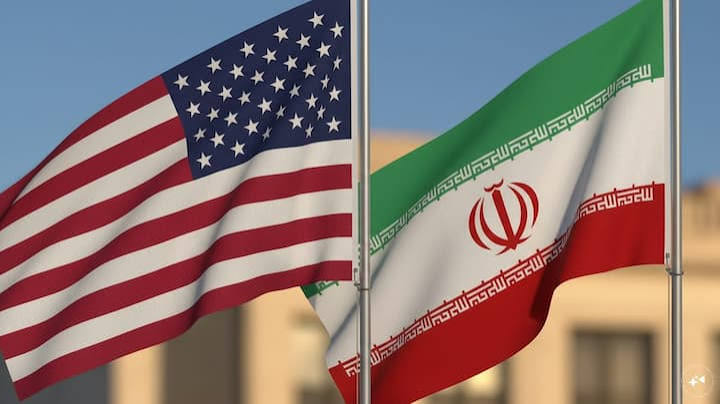
US, IRAN TRADE FRESH BLOWS AS STRAIT OF HORMUZ CRISIS DEEPENS
Tensions between the United States and Iran have intensified as both sides continue to exchange military strikes amid a deepening standoff over the strategic Strait of Hormuz. The latest escalation came after Iranian forces attacked a US Navy vessel with missiles, prompting American forces to strike Iranian oil tankers. The confrontation has further complicated efforts to restore stability around one of the world's most important energy shipping routes.
The United States said its forces destroyed several Iranian oil tankers after warning their crews to abandon the vessels. Washington has maintained that the ships were connected to networks supporting Iran's Islamic Revolutionary Guard Corps. Tehran condemned the attacks and threatened further retaliation, while Iranian forces have continued operations against US-linked vessels and shipping around the Gulf and the Strait of Hormuz.
Iran has also sought to strengthen its leverage over the waterway, through which a significant share of the world's oil supply normally passes. The ongoing confrontation has severely disrupted maritime traffic, with estimates of the volume of oil moving through the strait varying sharply because some vessels have stopped transmitting tracking information. The uncertainty has added pressure to global energy markets and pushed oil prices towards or above $100 a barrel.
The dispute has also expanded beyond the immediate waters of Hormuz. Iran has launched attacks against US interests in the region, including a missile strike on a US base in Jordan, while Iran-backed Houthi forces have attacked targets in Saudi Arabia. Washington, meanwhile, has intensified economic pressure on Tehran, including fresh sanctions targeting Iran's aviation sector as part of its wider campaign to isolate the country.
Despite the mounting military and economic pressure, neither Washington nor Tehran appears ready to back down over control of the Strait of Hormuz. The United States is seeking to maintain freedom of navigation and pressure Iran into concessions, while Tehran continues to use its strategic position around the waterway as leverage. With oil supplies, shipping and regional security all at risk, the unresolved standoff remains a major concern for the global economy.