


BUSINESS
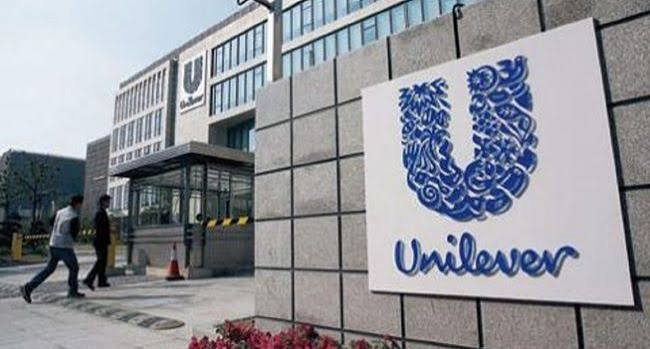
UNILEVER, CUSTOMS STRENGTHEN PARTNERSHIP TO CURB COUNTERFEIT GOODS IN NIGERIA
Unilever Nigeria Plc and the Nigeria Customs Service have entered into a strategic partnership aimed at intensifying the fight against counterfeit products and illicit trade in Nigeria. The collaboration is expected to strengthen consumer protection, improve the monitoring of legitimate trade and ensure that genuine products are more easily identified and protected within the Nigerian market.
The partnership was formalised through a Memorandum of Understanding signed at the headquarters of the Nigeria Customs Service in Abuja. The agreement provides a structured framework for closer cooperation between the private sector and the government agency, particularly in the areas of intelligence sharing, product authentication, inspections and the identification of suspected counterfeit goods.
Under the arrangement, Unilever Nigeria will provide relevant product information and technical expertise to support Customs officers in distinguishing authentic products from fake ones. The agreement will also facilitate the exchange of real-time information relating to trademarks, product identification features, packaging details and product samples, which could assist enforcement officers during inspections and investigations.
Counterfeiting remains a major challenge for businesses and consumers because fake products can undermine legitimate companies, distort competition and reduce confidence in the marketplace. The problem is particularly concerning in sectors such as beauty and personal care, where counterfeit products may contain unsafe or unsuitable ingredients and potentially expose consumers to health risks.
Speaking on the agreement, the Managing Director of Unilever Nigeria Plc, Tobi Adeniyi, described the partnership as an important development in the company's efforts to protect consumers and preserve the integrity of its products. He stressed that counterfeit goods do not only affect businesses but also pose wider risks to public health and the economy.
Adeniyi said combining Unilever's expertise in product authentication with the enforcement capabilities of the Customs Service would provide a stronger response to counterfeit activities. He also noted that the partnership demonstrated the importance of public-private cooperation in tackling challenges that cannot be effectively addressed by a single organisation.
The Customs Comptroller-General, Adewale Adeniyi, said the Service was committed to implementing the agreement professionally and transparently. He explained that the fight against counterfeiting and illicit trade required cooperation between government institutions and businesses because both sides possess resources and expertise that can contribute to more effective enforcement.
According to the Customs chief, collaboration with private-sector operators also provides valuable information that can influence the Service's policies and operational decisions. He said the new arrangement with Unilever would help Customs improve its ability to identify suspicious products while strengthening legitimate trade and protecting consumers.
The partnership is also expected to contribute to the protection of intellectual property rights and the interests of businesses that comply with Nigerian regulations. Counterfeit products can create an uneven business environment by allowing illegal operators to compete with legitimate manufacturers without bearing the same regulatory, production and quality-control costs.
For consumers, stronger enforcement could provide greater confidence when purchasing products in the Nigerian market. The partners said the ultimate objective is to ensure that Nigerians have improved access to genuine, safe and quality-assured products while reducing the circulation of illicit goods.
Unilever also highlighted its long-standing contribution to the Nigerian economy. The company, which has operated in Nigeria since 1923, said more than 70 per cent of its raw materials are now locally sourced and that its operations support approximately 15,000 direct and indirect jobs.
Adeniyi commended the Nigeria Customs Service for reforms aimed at improving its operations, particularly its digitalisation initiatives, the Authorised Economic Operator programme and other measures designed to facilitate legitimate trade.
He disclosed that previous engagements between Unilever and Customs had already produced practical outcomes, including the application of lessons from training involving more than 70 Customs officers. He reaffirmed the company's willingness to continue working with the Service and expand the collaboration through further engagements across the country.
The new agreement comes alongside broader efforts by the Nigeria Customs Service to strengthen partnerships with both public institutions and private-sector organisations. Such collaborations are increasingly being viewed as important tools for improving border management, protecting legitimate commerce, strengthening consumer safety and supporting economic growth.
The effectiveness of the Unilever-Customs partnership will ultimately depend on consistent implementation, information sharing and enforcement across Nigeria's ports, borders and supply chains. If successfully sustained, the initiative could provide a stronger mechanism for detecting counterfeit products while improving confidence in legitimate businesses and the wider Nigerian market.