


POLITICS
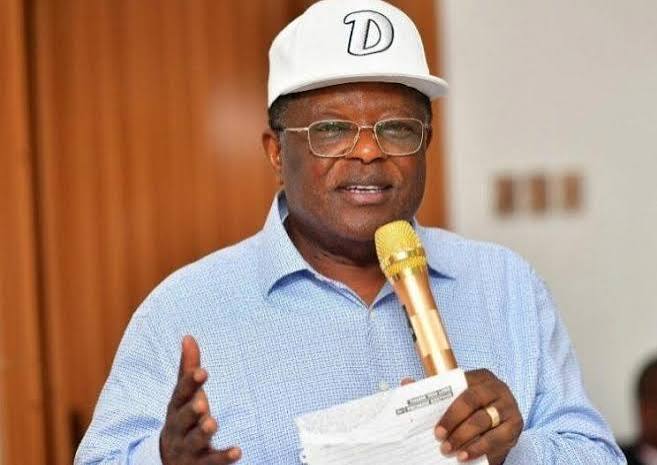
UMAHI DRIVES FEDERAL ROAD TRANSFORMATION UNDER TINUBU’S RENEWED HOPE AGENDA
Minister of Works, David Umahi, has continued to push the Federal Government’s road infrastructure programme, with several projects across the country being presented as part of President Bola Ahmed Tinubu’s Renewed Hope Agenda.
Since assuming office, Umahi has placed emphasis on accelerating the construction, rehabilitation and completion of major federal highways, while also demanding greater accountability from contractors handling government road projects.
The minister has repeatedly inspected projects across different parts of the country, engaging contractors and government officials over delays, poor workmanship and other challenges affecting the delivery of critical road infrastructure.
Umahi has also insisted that contractors must meet agreed standards and timelines, warning that companies responsible for poorly executed or abandoned projects would face appropriate action.
One of the key areas of focus under his leadership has been the rehabilitation of major highways that connect states and regions, particularly roads that serve as important economic corridors for the movement of people, agricultural produce and commercial goods.
The Federal Government has also continued to explore alternative funding arrangements for road construction as part of efforts to address the huge infrastructure deficit facing the country.
Umahi has promoted the use of innovative financing models, including public-private partnerships and other arrangements designed to ensure that important road projects can be delivered despite budgetary constraints.
According to the minister, improving Nigeria’s road network remains essential to achieving economic growth because efficient transportation infrastructure reduces travel time, lowers logistics costs and improves connectivity between communities and markets.
The Works Ministry under Umahi has therefore intensified monitoring of ongoing projects, with officials conducting inspections to determine the progress being made by contractors.
The minister has also sought to ensure that road projects are not merely awarded but completed to acceptable standards and made available for public use.
Several major road corridors have received attention under the current administration, including routes connecting commercial centres, industrial areas and rural communities.
The focus on road infrastructure is part of the wider Renewed Hope Agenda of the Tinubu administration, which places infrastructure development among its priorities for stimulating economic activity and improving living conditions.
Umahi has argued that better roads would contribute to national development by supporting businesses, facilitating agricultural transportation and strengthening regional connectivity.
He has also maintained that contractors must take responsibility for the quality of their work, particularly on roads that have suffered deterioration shortly after construction or rehabilitation.
The minister’s approach has involved frequent project inspections and direct engagement with contractors, with some companies given deadlines to address identified defects or accelerate work.
The Federal Government believes that completing strategic road projects will improve transportation across the country and contribute to the broader objective of creating an environment that supports investment and economic expansion.
Umahi’s tenure as Works Minister has consequently been marked by an aggressive push for project monitoring, contractor accountability and faster delivery of road infrastructure.
As the administration continues implementing its Renewed Hope Agenda, the Works Ministry is expected to sustain efforts to rehabilitate existing roads, complete ongoing projects and develop new highways capable of supporting Nigeria’s growing population and economy.