


BUSINESS
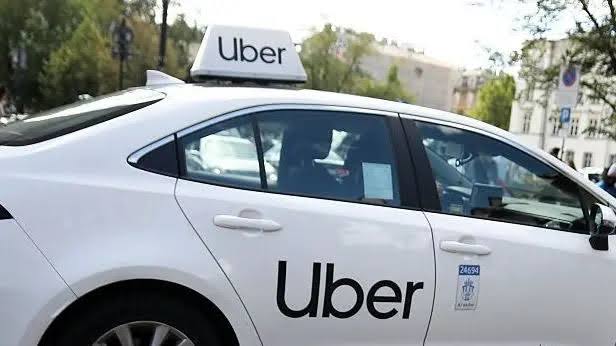
UBER DEPARTURE PUTS LOAN-FINANCED DRIVERS UNDER FRESH FINANCIAL PRESSURE
Uber’s decision to discontinue its operations in Nigeria has left some ride-hailing drivers facing a difficult financial situation, particularly those who obtained vehicles through financing arrangements and depended heavily on the platform to generate income and repay their obligations.
The ride-hailing company ended its Nigerian operations on Wednesday, September 2, 2026, bringing its 12-year presence in the country to an end. The development has created uncertainty for drivers who had built their livelihoods around the platform and now have to find alternative ways of earning from their vehicles.
One of the major concerns is the position of drivers whose vehicles were financed through mobility company Moove. Uber and Moove have a partnership under which vehicles financed by Moove were deployed by drivers operating on Uber’s platform. Uber is also one of Moove’s major investors.
Under the arrangement, some drivers using Moove-financed vehicles for UberGo were expected to operate exclusively on Uber. With the platform no longer available in Nigeria, questions have emerged about how affected drivers will continue using the vehicles while meeting their outstanding repayment obligations.
The Amalgamated Union of App-Based Transport Workers of Nigeria said affected drivers would now have to move to competing ride-hailing platforms, particularly Bolt and inDrive, in order to maintain their sources of income. The union’s Public Relations Officer, Steven Iwindoye, said drivers would need to formally migrate to the alternative platforms following Uber’s withdrawal.
However, the transition may not be straightforward for everyone. Drivers are already dealing with high operating expenses, including the cost of petrol, vehicle maintenance and other expenses associated with keeping cars on the road. The loss of a major platform could therefore make it more difficult for some drivers to generate enough income to meet their regular financial commitments.
The situation is particularly significant for drivers who do not fully own their vehicles and instead acquired them through financing schemes. For such operators, the vehicle represents both their means of earning a living and an outstanding financial obligation. Any prolonged period of reduced income could consequently increase the risk of delayed payments or loan defaults.
The union’s concerns also highlight the wider effect of Uber’s departure on Nigeria’s app-based transport sector. While drivers can move to competing platforms, they may have to rebuild their customer base and adjust to different operating conditions, pricing structures and platform requirements.
Uber’s exit came after the company reviewed its operations and decided to redirect investment towards markets where it believes it can create greater value. The company did not announce that the Nigerian withdrawal was caused by a single factor. Reuters reported that the decision came amid a ride-hailing environment affected by rising fuel costs, inflation, currency volatility and increasing operating pressures.
Chief Executive Officer of Economic Associates, Dr Ayo Teriba, described the development as a sector-specific regulatory and business issue rather than an indication that Nigeria had generally become unattractive to investors. He also criticised aspects of the government’s handling of Uber’s operations at Murtala Muhammed International Airport in Lagos, arguing that restrictions and charges affecting its airport business could have contributed to the company’s decision to leave.
Despite the uncertainty, the union expects drivers to explore other platforms to keep their vehicles productive. The immediate challenge, however, remains whether drivers can generate sufficient income from alternative services to cover fuel, maintenance and financing costs.
Uber’s departure therefore goes beyond the disappearance of another ride-hailing application from Nigerian streets. For drivers who depended on the platform, particularly those operating financed vehicles, it has created an urgent need to secure new sources of income while continuing to meet existing financial commitments.