


BUSINESS
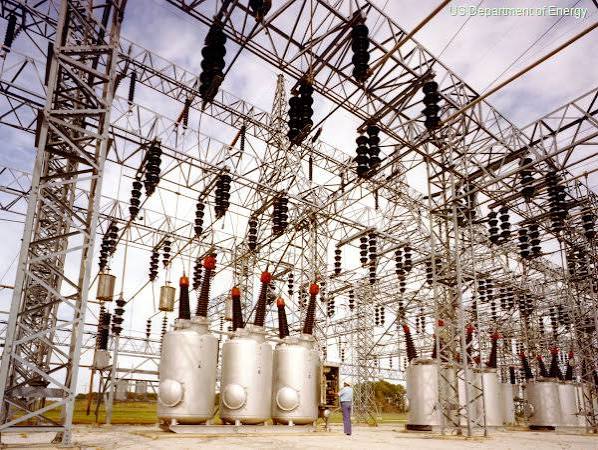
TRANSMISSION FAULTS REDUCE POWER SUPPLY TO LAGOS, ABUJA, OTHER CITIES
Electricity supply to Lagos, Abuja and several other parts of Nigeria has been affected following technical faults on the national transmission network, resulting in reduced power allocations to electricity distribution companies.
The development has raised concerns over another possible decline in electricity supply to households and businesses already struggling with unreliable power across the country.
The transmission constraints have affected the quantity of electricity available for distribution to several regions, forcing some distribution companies to operate with lower allocations than expected.
Lagos, the Federal Capital Territory and other major areas are among the locations affected by the reduction, with consumers likely to experience interruptions or shorter periods of electricity supply.
The transmission network is a critical link between power generation companies and distribution companies. When faults occur along the network, electricity generated by power plants may not be effectively delivered to areas where it is needed.
The latest challenges therefore highlight the vulnerability of Nigeria's electricity system, where inadequate transmission infrastructure and technical problems continue to affect efforts to provide stable power to consumers.
Electricity distribution companies have also faced challenges in managing available supplies when transmission constraints reduce the amount of energy allocated to them.
The situation could further affect businesses that depend heavily on electricity to operate, particularly small and medium-sized enterprises that already spend significant amounts on alternative power sources.
Households may equally experience increased reliance on generators and other backup sources of electricity if the reduced allocation persists.
The development comes amid ongoing efforts by the Federal Government and relevant agencies to improve Nigeria's electricity infrastructure and increase the reliability of the national grid.
Authorities have repeatedly identified weaknesses in transmission infrastructure as one of the major obstacles to achieving consistent electricity supply across the country.
The latest faults are expected to be addressed by the relevant transmission authorities as efforts continue to restore normal electricity allocations to the affected distribution networks.
Consumers have meanwhile been advised to manage available electricity while technical teams work to resolve the transmission problems.
The incident once again underscores the need for continued investment in transmission infrastructure, regular maintenance and improved grid management to prevent technical failures from causing widespread disruptions to electricity supply.