


METRO
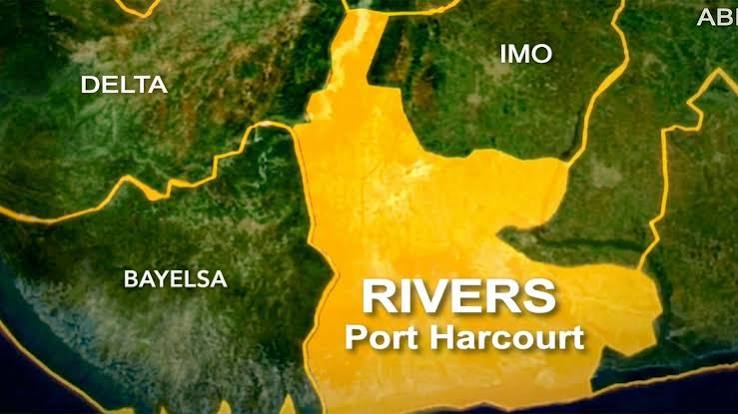
TOXIC FUMES KILL 37 AT PETROLEUM LOADING SITE IN RIVERS
At least 37 people have reportedly died following a toxic-fume incident at Okari Jetty in Okrika Local Government Area of Rivers State, with several others feared missing after the incident occurred during petroleum product loading activities.
The tragedy reportedly happened around midnight on Thursday when a large number of youths from Okrika and neighbouring communities gathered at the coastal jetty. According to community accounts, more than 100 people had converged on the area in locally made boats while a vessel was anchored along the river to load petroleum products.
Trouble reportedly began when a powerful smell spread through the area while the petroleum products were being loaded. Several people were said to have suddenly collapsed after inhaling the fumes, with some falling into the river while others managed to escape but subsequently developed serious respiratory problems and were taken to hospitals for treatment.
A community source said that more than 37 bodies had been identified as belonging to Okrika indigenes, while six other bodies had yet to be identified. The source also said a number of people remained unaccounted for following the incident, raising fears that the death toll could increase as search and recovery efforts continue.
The Youths and Environmental Advocacy Centre-Nigeria also confirmed the deaths through its network of volunteers and human rights defenders operating across the Niger Delta. Its Executive Director, Dr Fyneface Dumnamene, said at least 37 people suspected of involvement in illegal oil activities died after inhaling a petroleum product locally referred to as “Indorama fuel.”
Dumnamene alleged that the victims had connected a pipe to an illegal tapping point on a pipeline carrying petroleum products from the Indorama Eleme Petrochemical facility through the Port Harcourt Refinery to vessels. He said the incident occurred while a vessel was loading products and the youths were simultaneously transferring the product into their waiting boats.
The environmental advocacy group warned that tampering with high-pressure petroleum infrastructure could expose people to serious and potentially fatal hazards. Dumnamene called on the National Oil Spill Detection and Response Agency to undertake an immediate joint investigation into the incident and urged the company whose facilities were allegedly vandalised to strengthen security around its pipelines.
The Rivers State Police Command confirmed that an incident had occurred but gave a different account of what the victims were doing at the location. Police spokesperson, ASP Blessing Agabe, said the victims were reportedly attempting to steal crude oil when the incident occurred. She added that although no official complaint had been received, the command had commenced an investigation to establish the circumstances surrounding the deaths.
However, the Commander of the Civilian JTF in Okrika Local Government Area, Igwe Godswill, disputed the description of the victims as crude oil thieves. He said the youths had gone to scoop petroleum products that had spilled into the river and were overwhelmed by fumes released from a vessel loading products at the jetty.
Godswill described the incident as a devastating loss involving mostly young people who, according to him, were searching for ways to earn a living in an environment where employment opportunities are limited. He appealed to the Rivers State Government, community leaders and other relevant authorities to create legitimate livelihood opportunities for young people in Okrika.
According to the Civilian JTF commander, simply preventing youths from engaging in dangerous activities would not permanently resolve the problem if there were no alternative sources of income. He said some people continued to visit the location despite the deaths because the activities had become a means of survival for some members of the community.
Godswill further disclosed that about 10 bodies had been recovered at the time of his account, although identification remained difficult because some of the remains were badly affected. He called for urgent intervention to prevent further deaths and urged authorities to address the underlying economic difficulties confronting residents of the oil-producing community.
The incident has once again drawn attention to the dangers associated with illegal oil tapping, petroleum spills and poorly secured oil infrastructure in the Niger Delta. Environmental advocates have continued to push for stronger protection of pipelines alongside alternative livelihood programmes that could reduce residents’ dependence on hazardous activities.
With the police investigation still ongoing and several people reportedly missing, authorities are expected to establish exactly what caused the toxic exposure, determine the circumstances surrounding the deaths and identify measures needed to prevent another tragedy at the jetty.