


POLITICS
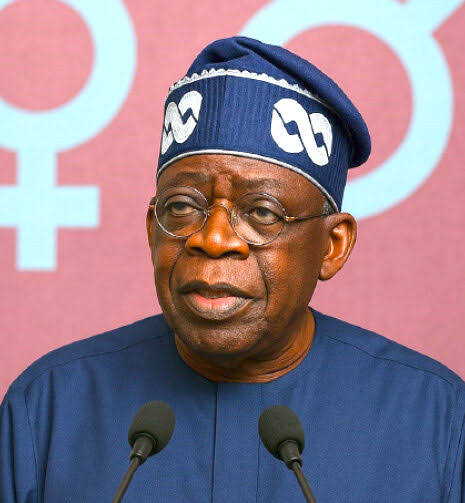
TINUBU’S ‘NOT TODAY’ RESPONSE SPARKS DEBATE OVER PATIENCE WITH REFORMS
President Bola Tinubu’s repeated message of “not today” has become a subject of political and public discussion, particularly over the pace at which Nigerians expect the benefits of his administration’s policies to become visible. The phrase has been interpreted as a call for patience as the government implements reforms that officials say are designed to address longstanding economic and structural problems.
The expression reflects a wider argument over the difference between immediate relief and long-term reform. While the administration has introduced major changes in areas including fuel pricing, taxation, foreign exchange and public spending, many Nigerians continue to deal with high living costs and pressure on household incomes. For citizens facing these difficulties, assurances that better conditions will come later can be difficult to accept when the impact of reforms is being felt immediately.
Supporters of the administration argue that some of the problems confronting the country did not begin under Tinubu and cannot be solved within a short period. They point to the government’s investments in infrastructure, efforts to attract investment, expansion of social intervention programmes and measures aimed at improving revenue as evidence that the administration is working towards longer-term economic stability.
Critics, however, contend that patience has limits, especially when reforms produce immediate hardship. They argue that government must do more to cushion the effects of rising food prices, transportation costs, unemployment and other pressures while pursuing its broader economic agenda. For such critics, the success of any reform programme should ultimately be measured by whether ordinary Nigerians experience meaningful improvements in their daily lives.
The debate surrounding “not today” therefore goes beyond the phrase itself and touches on the central question of how long Nigerians should wait before expecting the promised gains of the administration’s policies. As Tinubu’s government continues with its reform agenda, public expectations are likely to remain high, with citizens looking for concrete improvements rather than assurances about what may happen in the future.