


NEWS XTRA
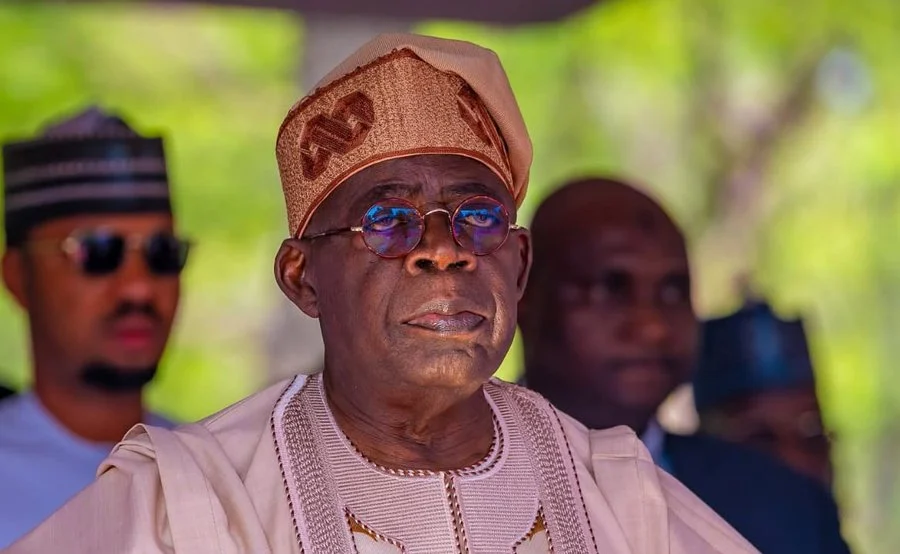
TINUBU UNVEILS NIGERIA INDUSTRIAL POLICY 2025
President Bola Tinubu on Tuesday unveiled Nigeria’s Industrial Policy 2025, calling on ministries, departments, and agencies to ensure its swift and effective implementation.
Represented by Vice President Kashim Shettima, the President launched the policy at the Bola Tinubu International Conference Centre.
According to a statement signed by Stanley Nkwocha, Senior Special Assistant to the President on Media and Communications (Office of the Vice President), the policy provides a roadmap for rebuilding Nigeria’s industrial base, unlocking value across sectors, and placing production, competitiveness, and job creation at the heart of the nation’s economic strategy.
Tinubu noted that policies often fail not at conception but at execution, stressing that the new framework directly confronts long-standing issues such as fragmented value chains, high production costs, infrastructure deficits, policy inconsistency, and weak coordination between government and industry.
“We have realised that industrialisation is not a wish you think about; it is an action you perform,” he said, adding that coherence across energy, trade, infrastructure, finance, skills, and innovation would be critical.
The President said success would be measured by tangible outcomes, such as factories reopening, jobs created, increased exports, and greater value retention within the domestic economy.
He explained that the policy prioritises strategic sectors where Nigeria has comparative and competitive advantages, advances value-chain development to move from exporting raw materials to finished goods, integrates micro, small, and medium enterprises into industrial growth, aligns infrastructure and energy with industrial ambition, and strengthens skills, technology, and innovation.
Tinubu commended the Minister of State for Industry, John Enoh, for his leadership in driving the initiative.
Business mogul and Chairman of Dangote Group, Aliko Dangote, welcomed the policy, expressing optimism about exchange rate stability and investor confidence. He emphasised the need to protect indigenous industries to ensure growth and competitiveness.
The United Nations Resident and Humanitarian Coordinator in Nigeria, Mohamed Fall, highlighted collaboration with the United Nations Industrial Development Organization to position Nigeria as a strong player in regional and global value chains.
President of the Manufacturers Association of Nigeria, Francis Meshioye, also pledged support for the policy’s implementation, endorsing its focus on promoting indigenous entrepreneurship and strengthening local production capacity.