


NEWS XTRA
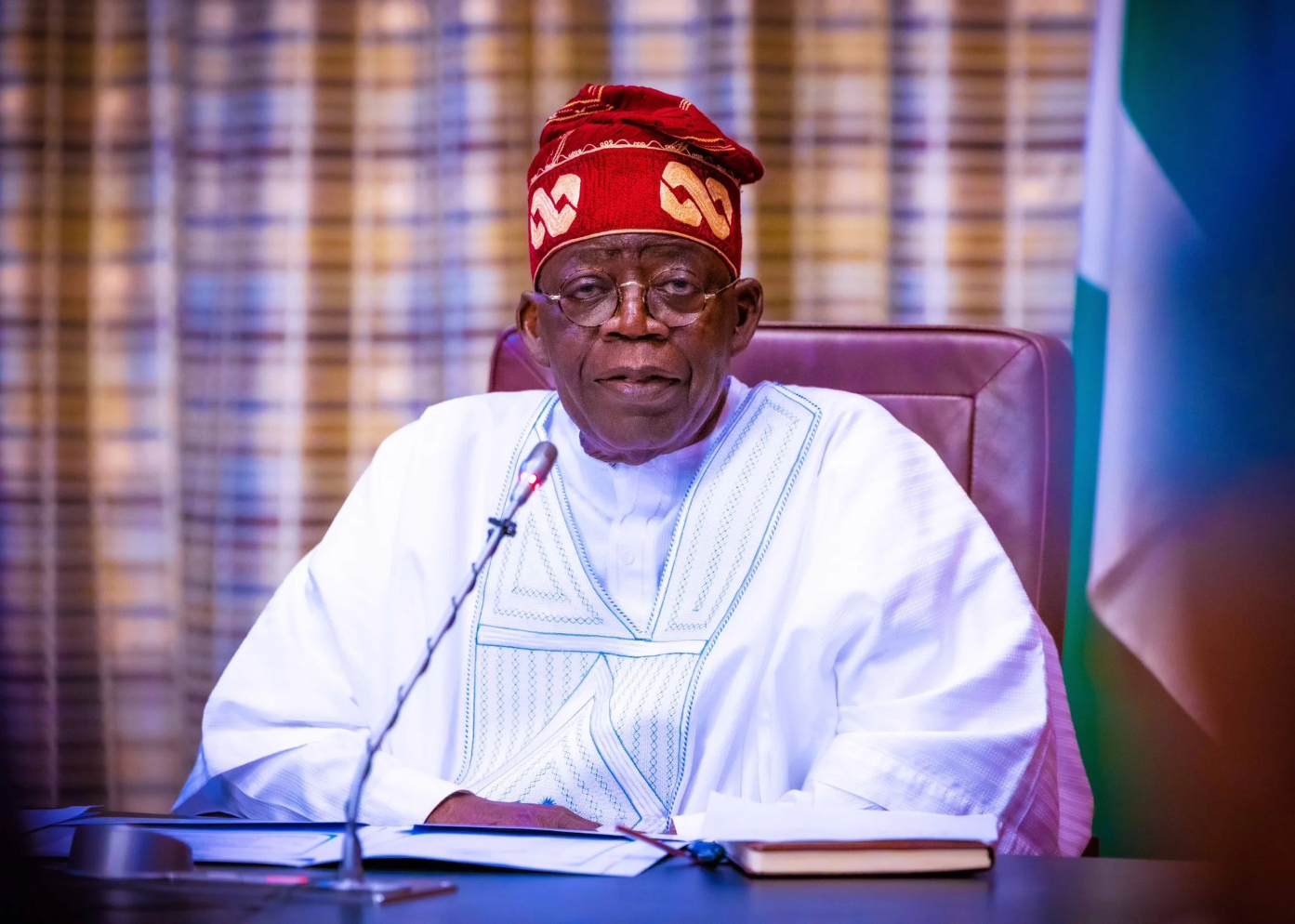
TINUBU FACES BACKLASH OVER N3.3 TRILLION POWER SECTOR DEBT APPROVAL
The approval of a N3.3 trillion legacy debt package for the nation’s power sector by President Bola Tinubu has drawn strong criticism from consumer groups, industry experts, and civil society organizations, who argue the move fails to address underlying structural issues in the electricity value chain.
The debt approval, announced last week by the Minister of Power, was intended to alleviate the financial burden carried by generating companies (GENCOs) and distribution companies (DISCOs), and to stabilize power supply by clearing outstanding obligations owed by the Nigerian Bulk Electricity Trading Plc (NBET).
However, many stakeholders say the measure merely injects short‑term liquidity without guaranteeing improved service delivery or accountability in the sector.
Consumers Voice Frustration
Consumer advocacy groups have expressed disappointment, saying the debt relief does little to improve the frequent power outages experienced by households and businesses across the country.
Mrs. Aisha Bello, National Coordinator of the Nigerian Electricity Consumers Association, stated:
“While the N3.3 trillion approval might help settle historical obligations, ordinary Nigerians are still paying high tariffs for inconsistent electricity. Our monthly bills remain inflated, yet we get little or no stable power.”
Many residents in cities such as Lagos, Abuja, and Port Harcourt reported that erratic supply and frequent load shedding continue to disrupt daily life and business operations. Some critics have called for clearer timelines and accountability mechanisms before such large sums are sanctioned.
Experts Warn of Structural Challenges
Energy sector analysts say the crisis in the power industry goes beyond legacy debts. According to Dr. Emmanuel Okoye, a power sector expert based in Abuja:
“The issues are systemic — ranging from weak metering systems and transmission constraints to poor revenue collection and inadequate investment in infrastructure. Clearing debts alone won’t fix these fundamental problems.”
Dr. Okoye added that strengthening regulatory frameworks, investing in grid modernization, and ensuring transparent financial management should accompany any debt restructuring efforts.
Economists have also cautioned that the debt approval might have fiscal implications if not managed carefully, especially given Nigeria’s broader economic challenges.
Government Defends the Approval
In response to the criticism, the Ministry of Power reiterated that the legacy debt approval is part of a broader reform agenda aimed at stabilizing the sector and attracting private investment.
A statement released by the ministry emphasized that clearing outstanding liabilities would “restore confidence in the value chain” and enable generating and distribution companies to operate more efficiently.
The government further noted that a series of policy reforms and engagements with stakeholders are underway to improve electricity supply, boost metering, and enhance service delivery across the nation.
Looking Ahead
Despite the government’s assurances, many Nigerians remain cautious. Consumer groups and industry stakeholders are calling for more transparency on how the funds will be deployed and what measurable benefits will be delivered to end users.
As the debate continues, ordinary electricity consumers are watching closely, hoping that policy actions will soon translate into more reliable power and tangible improvements in daily life.
"This represents a significant development in our ongoing coverage of current events."— Editorial Board