


BUSINESS
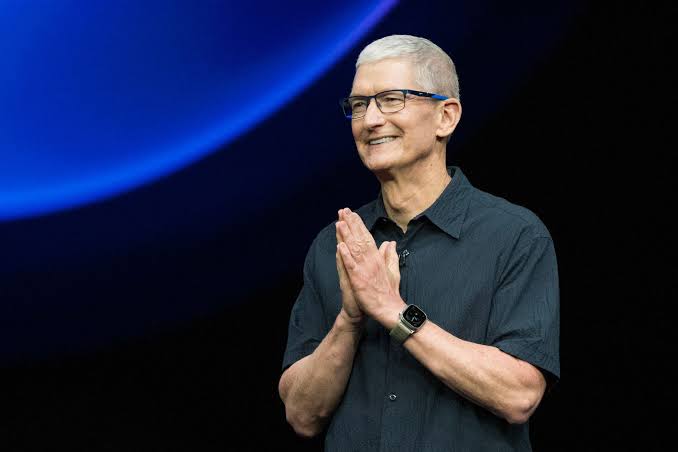
TIM COOK SET TO HAND APPLE’S TOP JOB TO JOHN TERNUS AFTER 15 YEARS
Apple CEO Tim Cook is set to step down from his position after 15 years at the helm of the technology giant, bringing an end to one of the longest leadership eras in the company’s history.
Cook is expected to leave the CEO position on September 1, 2026, with Apple’s senior vice president of hardware engineering, John Ternus, taking over as chief executive. Cook will remain involved with the company as executive chairman of Apple’s board.
The leadership transition marks the end of a remarkable period that began when Cook succeeded Apple co-founder Steve Jobs in August 2011.
Before becoming CEO, Cook had already established himself as one of Apple's most influential executives. He joined the company in 1998 as senior vice president for worldwide operations and played a major role in restructuring its manufacturing and supply-chain systems.
His approach helped Apple reduce inventory levels, improve production efficiency and build stronger relationships with contract manufacturers. He also helped the company secure key components ahead of periods of rising demand.
Cook's experience became particularly valuable during periods when Jobs was away from the company because of his health. He increasingly took responsibility for Apple's daily operations, giving him extensive experience in managing the company before eventually succeeding Jobs.
As CEO, Cook adopted a leadership style that differed from Jobs' highly public and product-focused approach. He placed considerable emphasis on operational efficiency, collaboration and managing Apple's rapidly expanding global business.
During his tenure, Apple experienced extraordinary growth, with the company's market value increasing by thousands of percentage points and its product ecosystem expanding significantly. Apple also introduced major products and services during the Cook era, including the Apple Watch, AirPods and Vision Pro, while expanding its services business.
Cook also oversaw Apple's expansion in areas beyond its traditional hardware business, with services such as Apple Music, iCloud, Apple TV+ and other subscription platforms becoming increasingly important to the company's overall revenue.
His tenure was not without challenges. Apple faced increasing regulatory scrutiny in different markets, supply-chain concerns linked to its dependence on China and criticism over the company's progress in artificial intelligence.
The next phase of Apple's leadership will therefore come with significant expectations for Ternus, who has spent more than two decades at the company.
Ternus joined Apple in 2001 and rose through its hardware engineering division before becoming senior vice president of hardware engineering. He has been closely involved in the development of several major Apple products and is regarded as an experienced figure within the company.
His appointment represents a continuity-focused succession, as Apple has chosen an executive with extensive knowledge of its products and internal operations rather than an outsider.
Cook's move to the position of executive chairman means he will remain connected to Apple even after relinquishing day-to-day control.
The transition is scheduled to take place just days before Apple's major September product event, where the company is expected to unveil its latest iPhone lineup. The event will also represent one of Ternus' first major appearances as Apple's new chief executive.
Cook's departure therefore marks a major turning point for Apple, ending a 15-year CEO tenure while handing responsibility for the company's next chapter to Ternus.