


BUSINESS
TAX OMBUD SEEKS WIDER PUBLIC INPUT AS DIGITAL ASSET COMPLAINTS LOOM
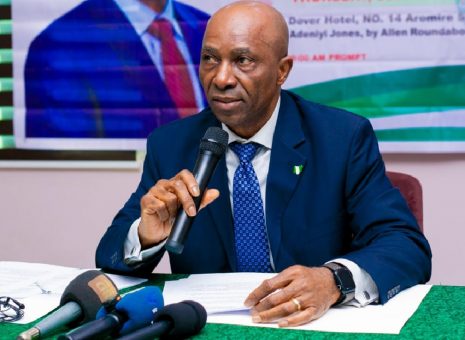
The Office of the Tax Ombud has begun preparations to address possible complaints arising from Nigeria’s expanding digital asset sector, while urging taxpayers and other stakeholders to actively engage with the office. The Tax Ombud and Chief Executive, Dr John Nwabueze, reaffirmed the office’s commitment to protecting taxpayers’ rights and promoting fairness, transparency and accountability in the administration of taxes and other government revenues.
Nwabueze said public engagement was important as the country’s tax system continues to evolve alongside emerging areas of economic activity, including digital assets. He stressed the need for taxpayers to understand their rights and obligations and to raise concerns through the appropriate channels whenever they believe they have been treated unfairly or subjected to improper administrative procedures.
The Office of the Tax Ombud was established under the Joint Revenue Board of Nigeria (Establishment) Act, 2025, with responsibility for reviewing and resolving complaints relating to taxes, levies, regulatory fees, customs duties and excise matters. The office operates independently of tax authorities and focuses on administrative fairness, including complaints involving unreasonable enforcement, delayed refunds, failure by tax authorities to respond and other forms of maladministration.
Taxpayers are expected to first raise their complaints with the relevant tax or revenue authority before approaching the Tax Ombud. Where an issue remains unresolved and falls within its mandate, the office can review the complaint, investigate the circumstances and engage the relevant authority before making recommendations or facilitating a resolution. The office also has a broader responsibility to identify systemic problems and recommend administrative or legislative changes where necessary.
The Tax Ombud said stronger public participation would help improve confidence in Nigeria’s tax administration and ensure that emerging challenges are addressed through dialogue and established procedures. The office encouraged individuals, businesses and other taxpayers to familiarise themselves with their rights and responsibilities and make use of available complaint-resolution mechanisms when they encounter administrative problems in the tax system.