


METRO
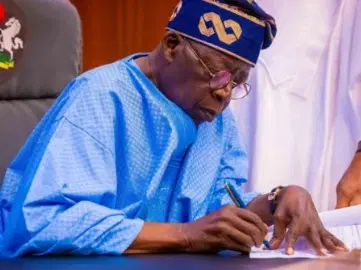
STATE POLICE: FULL LIST OF 24 STATES THAT APPROVED BILL
The push to establish state police in Nigeria has reached a significant milestone, with 24 state Houses of Assembly reportedly approving the proposed constitutional amendment. The approvals meet the required two-thirds backing from Nigeria’s 36 state legislatures.
The development moves the proposal forward, although approval by the states does not mean state police forces have immediately become operational. Further steps are needed to complete the legal process and establish the framework for their operation.
The report also indicated that more state assemblies were expected to conclude deliberations the following week.
The 24 states that have approved the bill are:
- Adamawa
- Delta
- Edo
- Kwara
- Nasarawa
- Ogun
- Osun
- Oyo
- Plateau
- Rivers
- Taraba
- Zamfara
- Enugu
- Anambra
- Imo
- Ekiti
- Kebbi
- Akwa Ibom
- Bayelsa
- Benue
- Cross River
- Abia
- Yobe
- Kaduna
The 12 states whose decisions were still being awaited are:
- Lagos
- Ondo
- Ebonyi
- Kogi
- Niger
- Borno
- Gombe
- Bauchi
- Jigawa
- Katsina
- Kano
- Sokoto
The proposal seeks to allow states to establish their own police services, bringing another level of policing closer to communities.
Supporters believe this could improve local intelligence and responses to insecurity. Concerns remain about funding, accountability and safeguards against political interference.
With the reported 24-state benchmark reached, attention now turns to completing the process and defining how state police would work in practice.