


INTERNATIONAL
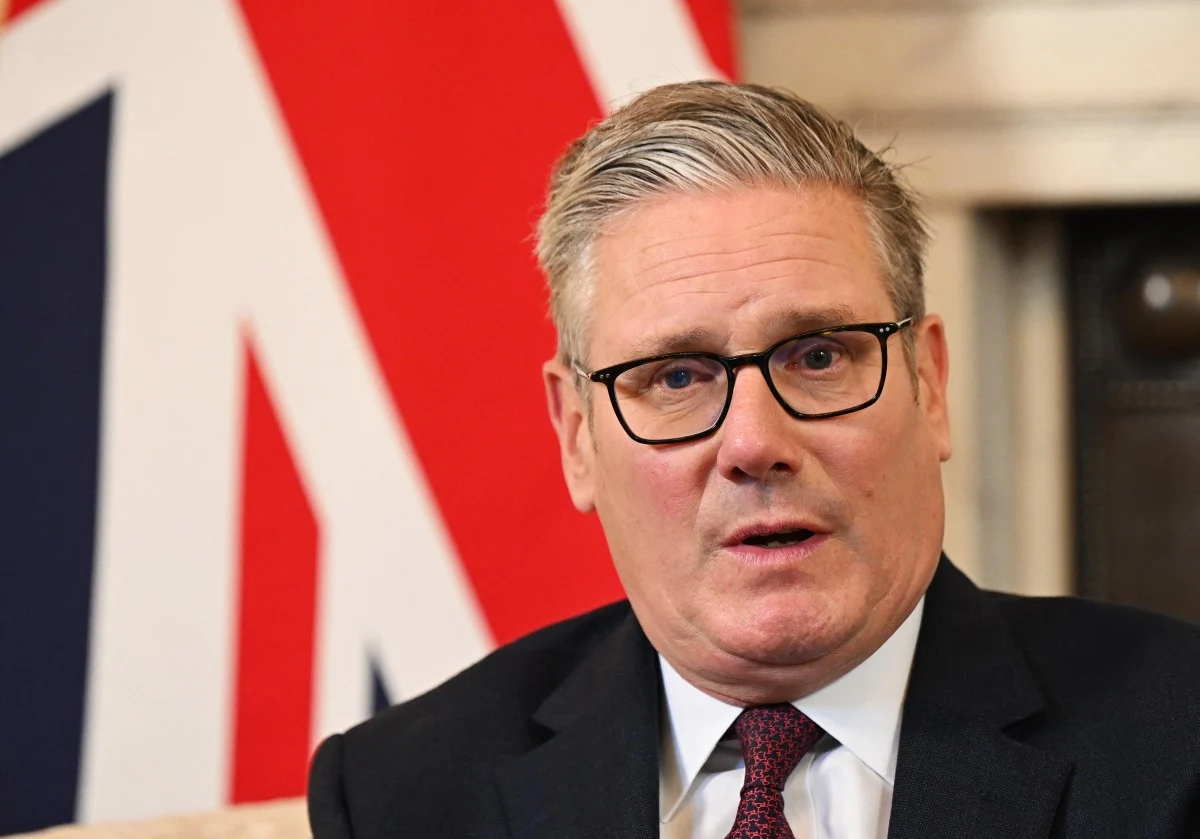
STARMER CALLS EUROPE A SLEEPING GIANT, URGES REDUCED US DEFENCE RELIANCE
British Prime Minister Keir Starmer has called for Europe to move away from overdependence on the United States and work towards a “more European NATO,” backed by deeper defence and security ties with the United Kingdom.
Speaking at the Munich Security Conference on Saturday, Starmer stressed that British and European security are inseparable.
“There is no British security without Europe, and no European security without Britain. That is the lesson of history, and it is today’s reality too,” he said.
While describing the United States as “an indispensable ally” that has made “an unparalleled contribution to European security,” Starmer argued that Europe must evolve towards greater interdependence and sovereign deterrence.
He advocated “a vision of European security and greater European autonomy” that would not signal US withdrawal but respond to calls for increased burden sharing.
Highlighting weaknesses in Europe’s defence structure, Starmer pointed to fragmented industrial planning and lengthy procurement systems that have created capability gaps and duplication.
He called for a collective effort to build a more integrated European defence capability, supported by historic increases in spending.
Describing Europe as “a sleeping giant,” Starmer noted that European economies collectively dwarf Russia’s and possess significant defence capabilities but often fail to maximise their combined strength.
He also confirmed that the UK defence budget would rise to record levels, amounting to £270 billion during the current parliament, marking the largest boost since the Cold War.
The Prime Minister cited examples of UK-European defence cooperation, including major agreements with Norway, Turkey, Germany, Italy, and France on naval vessels, aircraft, and next-generation missile systems.
On the political front, Starmer warned against ideological extremism, saying both far-left and far-right elements share soft stances on Russia and opposition to NATO.
He cautioned that failure to build public consent for stronger defence commitments could open the door to division and weaken Europe’s security posture.
Concluding, Starmer urged unity and responsibility in safeguarding democracy, liberty, and the rule of law in an increasingly volatile world.