


INTERNATIONAL
SOLOMON ISLANDS LEADER STANDS FIRM AMID POLITICAL PRESSURE LINKED TO CHINA
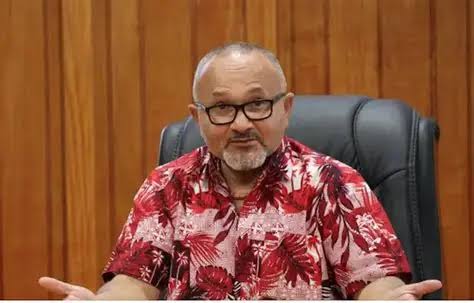
Solomon Islands Prime Minister Matthew Wale has survived a political challenge that threatened to destabilise his government, allowing him to maintain his position despite growing scrutiny over the country’s relationship with China. The leadership crisis unfolded as regional attention focused heavily on Beijing’s expanding influence in the Pacific, with Wale pursuing closer security and diplomatic ties with Australia. His government has also been working to review aspects of the security relationship established with China under his predecessor.
The political challenge was closely watched because of its timing and its potential implications for Solomon Islands’ foreign policy. Wale had been expected to attend the Pacific Islands Forum leaders’ meeting in Palau, where regional security and China’s growing presence were major issues. However, the domestic dispute disrupted those plans, while the sudden political manoeuvring prompted speculation about possible external influence. New Zealand Foreign Minister Winston Peters described the timing of the developments as highly suspicious, although no direct evidence establishing Chinese involvement in the political challenge has been publicly presented.
Wale has positioned his government as more cautious about Beijing’s strategic influence while seeking stronger cooperation with Australia and other Pacific partners. His administration has moved to revisit a controversial security agreement signed with China by the previous government and has instead pursued closer security discussions with Canberra. The shift is significant because Solomon Islands established diplomatic relations with Beijing in 2019 under former Prime Minister Manasseh Sogavare, a move that placed the strategically located Pacific nation at the centre of growing competition between China and Western powers.
The wider regional environment has added further pressure to the situation. At the Pacific Islands Forum in Palau, China’s military activities and its objections to Taiwan’s participation became major sources of tension. Pacific leaders ultimately expressed concern over China’s ballistic missile test in regional waters but failed to reach a stronger unanimous condemnation, highlighting the divisions created by competing relationships with Beijing, Washington, Canberra, Wellington and Taipei. The Solomon Islands was among the countries whose top leader was absent from the meeting, further drawing attention to its domestic political turmoil.
Following the collapse of the immediate challenge to his leadership, Wale moved to suspend Parliament indefinitely, while political changes within his government included the dismissal of one minister and the resignation of three others. The developments leave his administration facing the difficult task of maintaining political stability while determining the future direction of Solomon Islands’ foreign and security policy. With China continuing to expand its influence across the Pacific and Australia, the United States and other partners seeking to strengthen their own engagement, the country is likely to remain an important focal point in the region’s wider geopolitical contest.