


POLITICS &POLICY
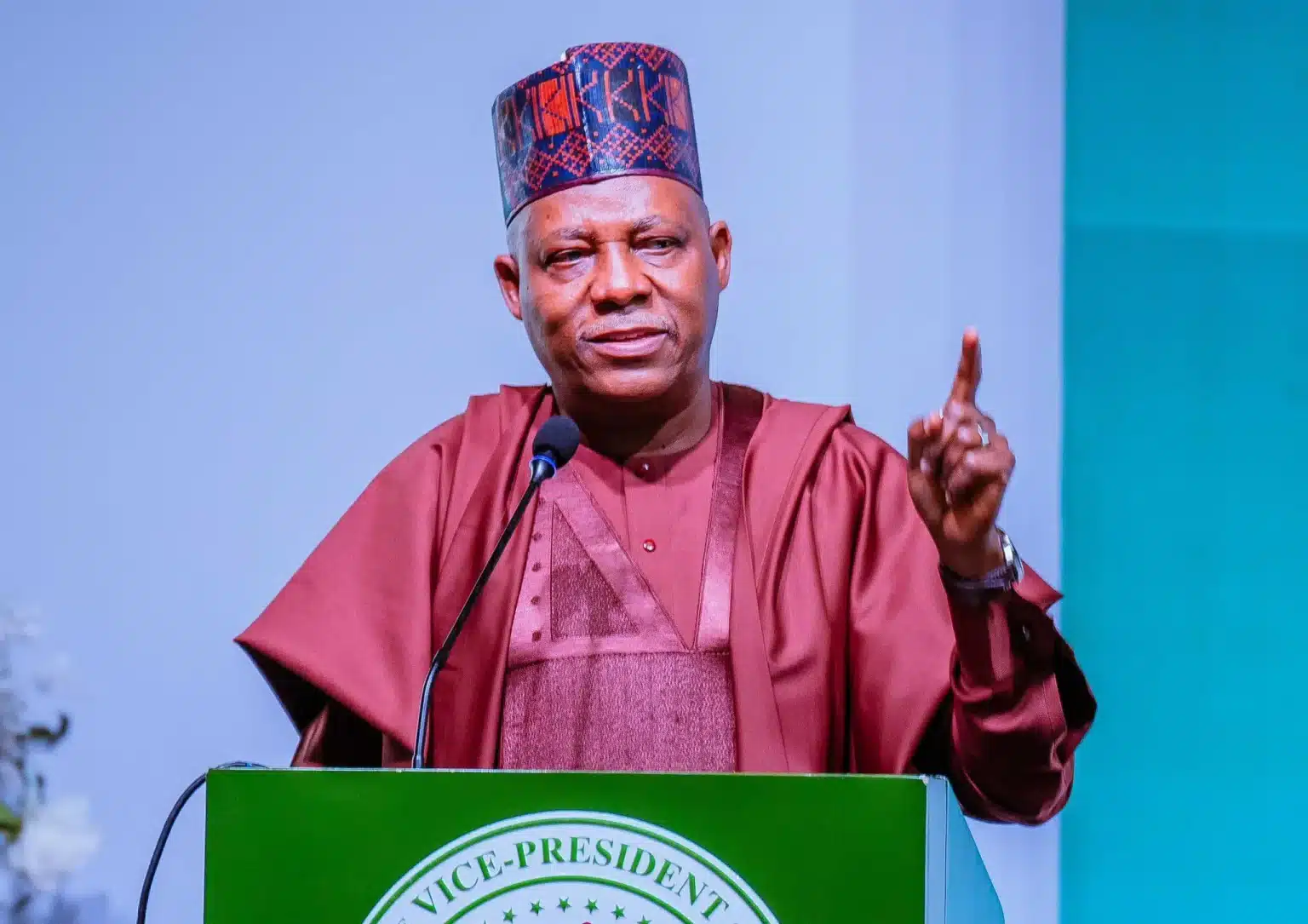
SHETTIMA DEFENDS SUBSIDY REMOVAL, SAYS TINUBU’S REFORMS ARE BOOSTING ECONOMY
Vice President Kashim Shettima has strongly defended the removal of fuel subsidy by President Bola Tinubu, describing it as a bold but necessary decision that was taken outside the official inauguration speech in 2023.
Speaking at the Nasarawa Economic Summit 2026, Shettima said the move, which was announced shortly after Tinubu’s inauguration on May 29, 2023, was not publicly outlined in detail during the ceremony but was a critical step to prevent deeper economic collapse.
According to him, Nigeria’s financial situation at the time left the government with limited options, as reserves were reportedly insufficient to sustain fuel imports for long.
He explained that the administration chose to act decisively rather than publicly highlight the severity of the country’s economic condition.
“The removal of the fuel subsidy was not part of his official speech. He kept it close to his heart,” Shettima said, adding that the decision was unavoidable given the economic realities.
The removal of subsidy remains one of the most consequential policy shifts in recent Nigerian history. It immediately led to sharp increases in fuel prices and transport costs, triggering widespread inflationary pressure that continues to affect households nationwide.
However, the Vice President insists the long-term impact is beginning to show positive signs.
He argued that investor confidence is gradually returning, pointing to improvements in Nigeria’s financial indicators and capital market performance.
Shettima noted that Nigeria’s external reserves have shown signs of recovery and highlighted significant growth in stock market valuations, suggesting renewed interest from investors.
“Confidence is returning to the marketplace,” he said, pointing to rising stock prices and increased investment activity as evidence that the economy is stabilising.
He further stated that the reforms have signaled to global investors that Nigeria is now willing to make difficult but necessary decisions to correct long-standing economic distortions.
“Capital follows credibility, stability, and direction,” he added.
The Vice President’s remarks align with recent comments from President Tinubu during a meeting with foreign investors in Paris, where he reiterated that the removal of subsidy had helped restore stability in the foreign exchange market.
According to Tinubu, ending subsidy payments removed a major fiscal burden and contributed to improved macroeconomic balance.
Government officials, including advisers and ministers, have consistently defended the policy, arguing that it was essential for fiscal sustainability and long-term economic reform.
However, the policy remains deeply controversial among Nigerians, many of whom continue to feel its immediate impact through rising transport fares, higher food prices, and increased cost of living.
While the administration maintains that the reforms are necessary for future growth, public debate continues over whether the short-term hardship is justified by the promised long-term gains.
At the centre of it all is a familiar tension in economic reform: immediate pain versus future stability.
And as the policy continues to shape daily life, the question remains, how long will it take before the benefits become visible to the average Nigerian?