


INTERNATIONAL
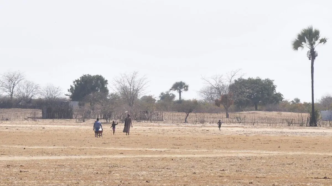
SEVERE DROUGHT DRIVES THOUSANDS OF ANGOLANS ACROSS BORDER INTO NAMIBIA
A prolonged drought in southern Angola has forced thousands of people to leave their communities and cross into neighbouring Namibia in search of food, water and better living conditions.
The crisis has particularly affected communities in provinces including Cunene and Huíla, where prolonged shortages of rainfall have devastated crops, reduced water supplies and placed livestock-dependent families under severe pressure. Reports have described the situation as one of the worst drought episodes to hit the region in decades.
The deteriorating conditions have pushed many families to undertake difficult journeys towards northern Namibia. Women, children and young people have been among those crossing the border, with humanitarian organisations describing the movement as a desperate response to hunger and the lack of basic resources in affected communities.
According to reports from Angolan civil society organisations, more than 7,000 Angolans had fled to Namibia by May 2021, while other reports around the same period put the number at more than 10,000. The figures reflected a rapidly developing humanitarian situation as the number of people leaving their homes continued to increase.
The drought has had a devastating effect on traditional pastoralist communities whose livelihoods depend heavily on livestock, agriculture and access to communal grazing areas. With water sources drying up and agricultural production declining, many families have struggled to produce enough food for themselves and their animals.
The humanitarian crisis has also been linked to rising levels of malnutrition, particularly among children. Humanitarian agencies have warned that prolonged food shortages and limited access to water and essential services have left vulnerable communities facing increasingly difficult conditions.
Namibia Becomes Destination for Displaced Families
For many of those affected, Namibia has become a destination because of its proximity to southern Angola and the longstanding social and family connections between communities on both sides of the border.
The two countries share a border stretching for about 1,100 kilometres, and movement across the frontier has historically occurred among communities living in the border regions. Some children from Angolan communities also attend schools in Namibia, while families on both sides maintain longstanding ties.
However, crossing into Namibia has not necessarily guaranteed safety or stability for those fleeing the drought. Reports have highlighted the difficult conditions faced by some Angolan migrants, including inadequate access to food, healthcare and proper shelter.
Human rights organisations have urged authorities to recognise the humanitarian circumstances behind the movement and ensure that people escaping drought and hunger are treated with dignity and provided with appropriate assistance.
Climate Change Adds to Existing Vulnerabilities
The crisis has also renewed concerns about the impact of climate change on vulnerable communities in southern Africa. Increasingly unpredictable rainfall and prolonged periods of drought are putting additional pressure on communities that already face limited access to infrastructure, healthcare, water and food.
The World Food Programme previously warned that the lack of rainfall during the 2020/21 rainy season had contributed to one of the most severe drought episodes in southern Angola in decades. The effects included crop losses, reduced livestock survival and worsening food insecurity.
Beyond the immediate effects of drought, the situation has been compounded by longstanding disputes and pressures surrounding communal grazing land. Amnesty International reported that the diversion of communal grazing areas to commercial cattle farmers had weakened the ability of pastoralist communities to withstand periods of drought and food shortages.
The combination of climate pressures, food insecurity and reduced access to traditional livelihoods has therefore created a crisis that extends beyond a shortage of rainfall. For affected families, leaving their homes has become a means of survival.
Calls for Greater Humanitarian Support
The continuing movement of Angolans into Namibia has highlighted the need for stronger humanitarian and climate-adaptation measures in the region.
Authorities and humanitarian organisations have been urged to provide affected communities with reliable access to food, clean water, healthcare and livelihood support while also investing in long-term measures that can help communities withstand future droughts.
A regional adaptation project involving Angola and Namibia has similarly identified drought resilience, food security, water management and climate-resilient livelihoods as key priorities for communities along the two countries' shared border.
The situation demonstrates how extreme weather and climate-related pressures can trigger displacement when communities lack sufficient resources to cope. For thousands of Angolans, the search for food and water has already turned a climate crisis into a cross-border humanitarian challenge.