


POLITICS &POLICY
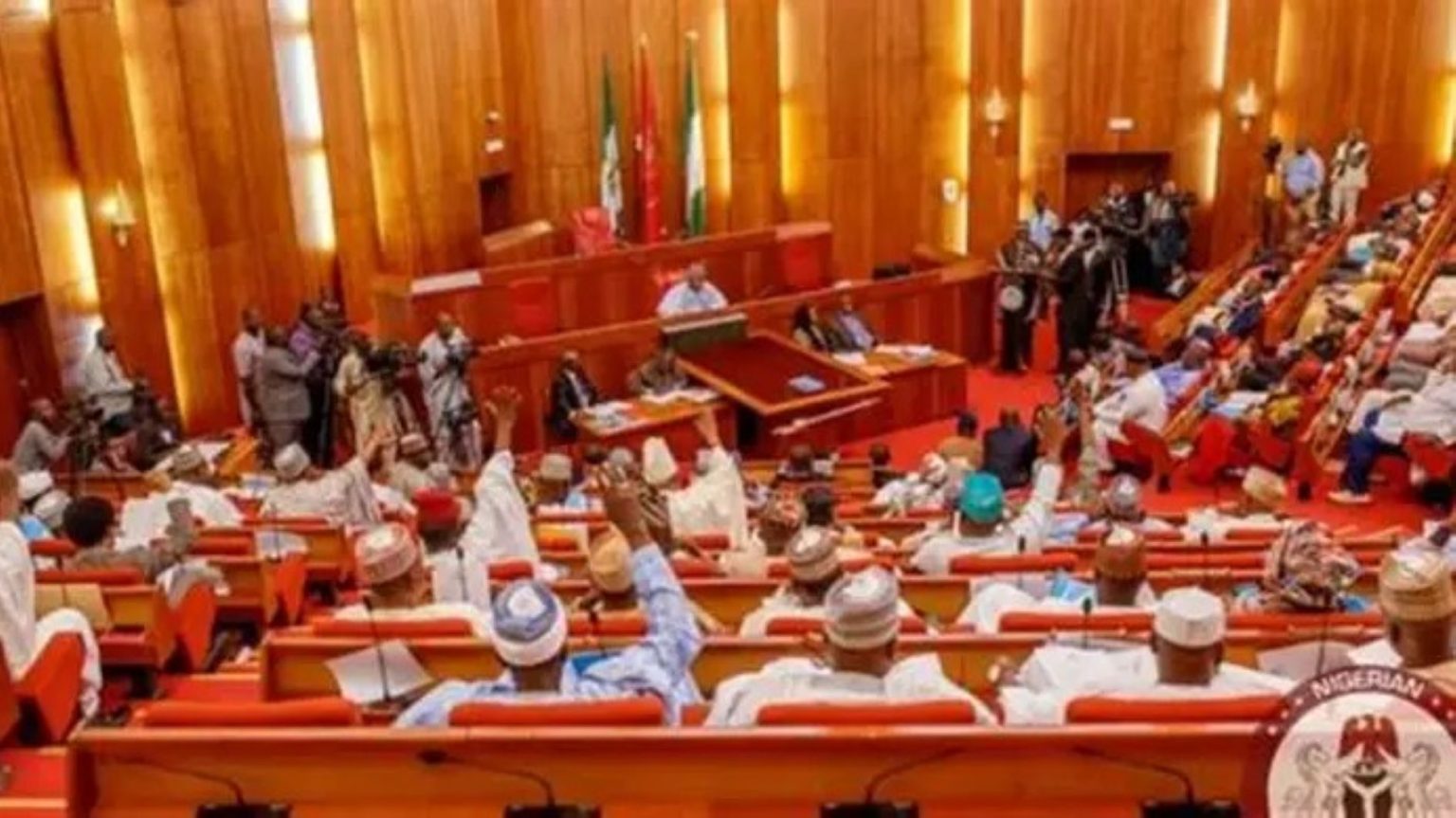
SENATE SUMMONS NMDPRA, NNPCL OFFICIALS OVER DISCREPANCIES IN FUEL IMPORT RECORDS
The Nigerian Senate has summoned officials of the Nigerian Midstream and Downstream Petroleum Regulatory Authority (NMDPRA) and the Nigerian National Petroleum Company Limited (NNPCL) over differences in reported fuel import records.
The move raises fresh questions about the accuracy of Nigeria’s petroleum data and how fuel imports are monitored in the country.
Fuel import records are important because they help the government track how much petrol enters Nigeria, assess supply levels and understand developments in the downstream petroleum sector. When figures released by key agencies do not match, it becomes difficult to establish the true volume of fuel imported and properly evaluate the country’s fuel supply situation.
The Senate’s decision to summon the officials is aimed at getting explanations for the discrepancies and clarifying the information provided by the two organisations.
The NMDPRA is responsible for regulating Nigeria’s midstream and downstream petroleum activities, including key aspects of petroleum product supply and distribution. The NNPCL, meanwhile, plays a major role in the country’s oil and gas industry and has been involved in petroleum importation and supply.
Differences in their records could raise concerns about data reporting, coordination between government agencies and the level of transparency in the petroleum sector. However, the discrepancies alone do not establish that any wrongdoing has occurred.
For Nigerians, the issue matters because information about fuel imports can influence public understanding of petrol supply, pricing and the country’s reliance on imported petroleum products.
Accurate records are also important for policymakers, businesses and investors who depend on reliable industry data to make decisions. If the figures are inconsistent, clarifying them can help improve confidence in the sector.
The Senate’s intervention provides an opportunity for the agencies to explain how their figures were compiled, identify the reasons for any differences and outline steps to prevent similar problems in the future.
Ultimately, Nigerians will be looking for clear answers and reliable petroleum data. Greater transparency and better coordination between regulatory and industry bodies could help strengthen accountability in a sector that affects transportation, business costs and household spending across the country.