


GOVERNMENT & POLICY
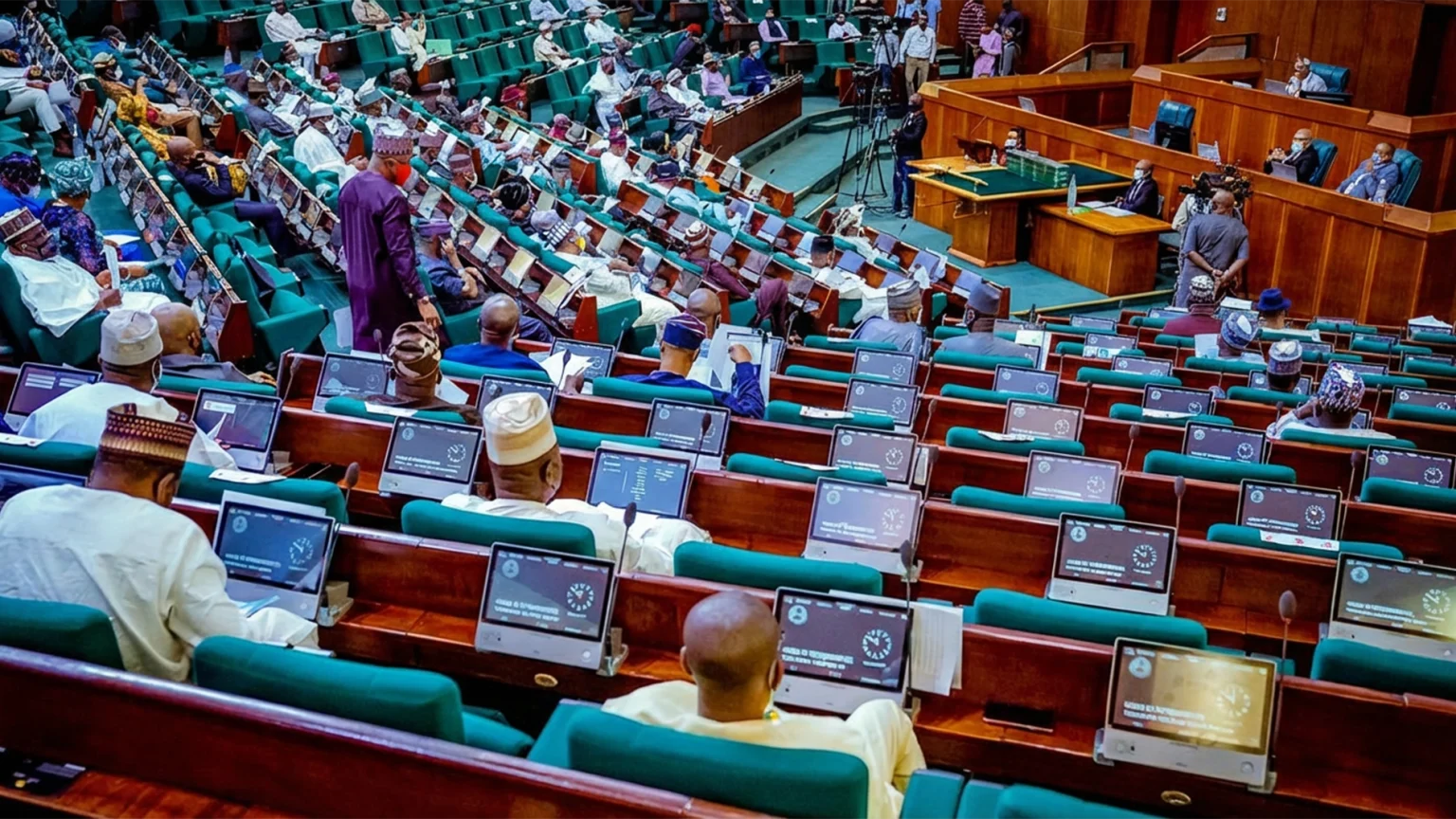
REPS PASS BILL TO ADDRESS FUNDING GAPS IN SECONDARY SCHOOLS
The House of Representatives has passed a bill aimed at addressing funding gaps in Nigeria’s secondary schools, in a move that could strengthen educational financing and improve learning conditions for students across the country.
The development comes amid longstanding concerns about inadequate resources in public schools, including overcrowded classrooms, insufficient teaching materials, ageing infrastructure and shortages of essential facilities.
Adequate funding is critical to the effective running of secondary schools. Schools need resources to maintain buildings, provide learning materials, support teachers and create environments where students can learn safely and effectively.
When funding falls short, students may face limited access to textbooks, laboratories, libraries and other facilities needed for quality education. Teachers and school administrators can also struggle to deliver effective lessons when basic resources are unavailable.
The bill's passage by the House of Representatives represents a legislative step towards addressing these challenges. However, the actual impact will depend on the bill's specific provisions, the remaining stages of the legislative process and how any resulting measures are implemented.
If the proposed legislation becomes law and is properly funded, it could provide a framework for improving how resources are allocated to secondary schools. Transparent financial management and effective monitoring would also be important to ensure that funds reach the institutions and students who need them.
Nigeria's education sector faces pressure from rising enrolment, increasing operating costs and differences in the resources available to schools across states and communities. Addressing funding gaps could help reduce some of these inequalities and improve educational outcomes.
Beyond approving legislation, sustained cooperation between federal and state authorities will be essential because secondary education involves responsibilities shared across different levels of government.
For students, parents and teachers, the ultimate measure of success will be whether the initiative leads to better-equipped classrooms, improved learning opportunities and stronger academic outcomes.