


NEWS XTRA
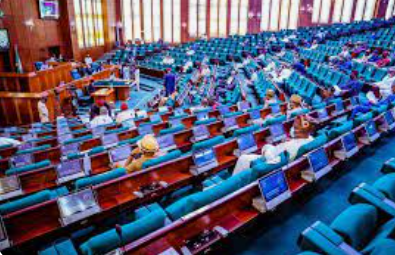
REPS APPROVE SECOND READING OF BILL TO ESTABLISH ARMED FORCES THINK-TANK
The House of Representatives on Wednesday passed for second reading a bill seeking to establish the Joint Doctrine and Warfare Centre, a strategic think-tank aimed at improving the coordination, readiness, and effectiveness of Nigeria’s Armed Forces.
The proposed legislation was sponsored by the Speaker of the House, Tajudeen Abbas.
Titled “A Bill for an Act to Establish the Joint Doctrine and Warfare Centre to Enhance the Coordination and Effectiveness of Military Operations of the Armed Forces of Nigeria by Integrating the Capabilities of Its Respective Services; and for Related Matters (HB 2741),” the bill seeks to create a permanent institution focused on defence strategy and military cooperation.
Leading the debate on behalf of the Speaker, lawmaker Daniel Asama said the centre would address critical gaps in Nigeria’s defence structure, especially the lack of a dedicated body for developing joint military doctrines.
According to him, the centre will serve as a hub for defence research, doctrine development, strategic planning, warfare simulation, and operational innovation.
He noted that Nigeria’s security environment has become increasingly complex, requiring stronger collaboration among the military services.
“Nigeria faces complex security challenges, including terrorism, insurgency, and cyber warfare, requiring strategic doctrinal coordination among the Armed Forces,” he said.
He added that the absence of a central institution for joint doctrine planning had created operational gaps and reduced interoperability among the Army, Navy, and Air Force.
The proposed centre is expected to bring together top defence stakeholders, including the Ministers of Defence, service chiefs, and private-sector security experts.
Its responsibilities would include reviewing emerging threats, integrating warfare strategies, assessing operational needs, and providing strategic direction for improved defence operations.
The institution would also collaborate with military academies, universities, research bodies, and international partners on modern warfare concepts and defence technologies.
Among its objectives are improving Nigeria’s response to hybrid, asymmetric, and transnational threats, strengthening cooperation among the services, advancing defence studies, and promoting regional and global security partnerships.
Asama described the bill as timely and strategic, saying it would strengthen Nigeria’s military preparedness and long-term national security planning.
Following its successful second reading, the bill was referred to the House Committee on Defence for further legislative consideration.
If eventually passed into law, the centre is expected to serve as Nigeria’s intellectual and operational base for joint warfare planning and modern defence coordination.