


BUSINESS
RAND GAINS GROUND AS INVESTORS AWAIT KEY SOUTH AFRICAN ECONOMIC DATA
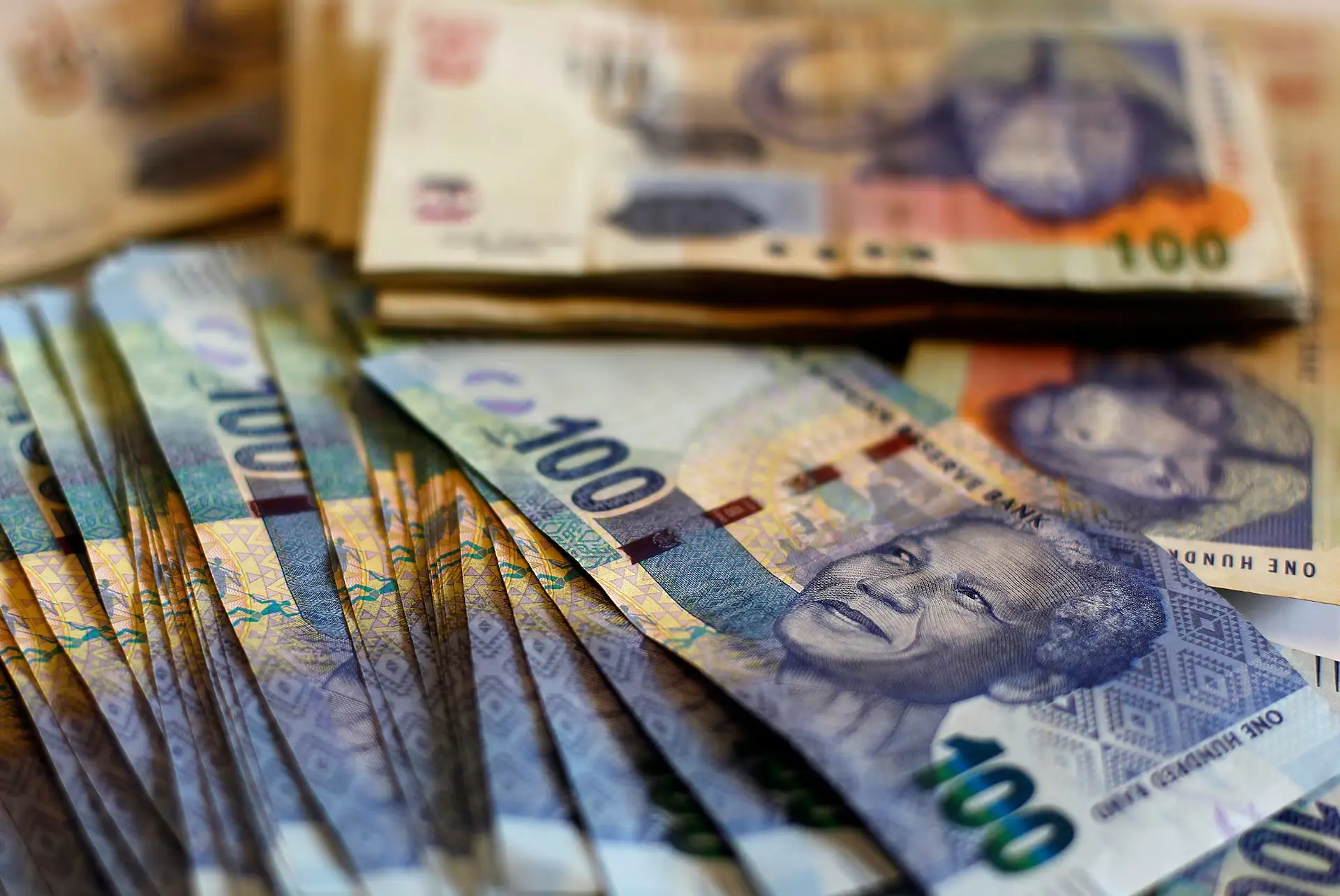
The South African rand strengthened against the US dollar in early trading on Thursday, September 10, as investors positioned themselves ahead of a series of important economic reports from South Africa and the United States. The currency gained about 0.2 per cent to trade at 16.0250 rand to the dollar, with traders closely watching the upcoming figures for indications about the strength of the South African economy and the direction of global interest rates.
Market attention was focused on South Africa’s July mining and manufacturing data, as well as figures on the country’s second-quarter current account. Economists surveyed by Reuters expect mining output to have declined by 2.8 per cent year-on-year in July, while manufacturing production is projected to have fallen by 1.6 per cent. The expected weakness has been linked to high production costs, structural constraints within the domestic economy and rising fuel prices.
The country’s energy costs have also remained a concern for businesses and investors, particularly amid the ongoing US-Iran conflict and its impact on international oil prices. Nedbank economists said elevated input costs and local structural bottlenecks were contributing to continued pressure on economic activity, while higher fuel prices were adding further strain to South African producers and consumers.
Investors were also awaiting second-quarter current account figures from the South African Reserve Bank, with economists expecting a deficit equivalent to 0.4 per cent of gross domestic product. At the same time, global markets were monitoring upcoming US producer and consumer inflation reports, which could influence expectations about the Federal Reserve’s interest-rate decisions later in the year.
Despite the rand’s early gains, other South African financial assets showed some weakness. The country’s benchmark 2035 government bond fell, sending its yield 5.5 basis points higher to 8.675 per cent. Market movements are expected to remain sensitive to both domestic economic figures and international monetary policy expectations as investors assess the outlook for South Africa’s currency and broader economy.