


BUSINESS
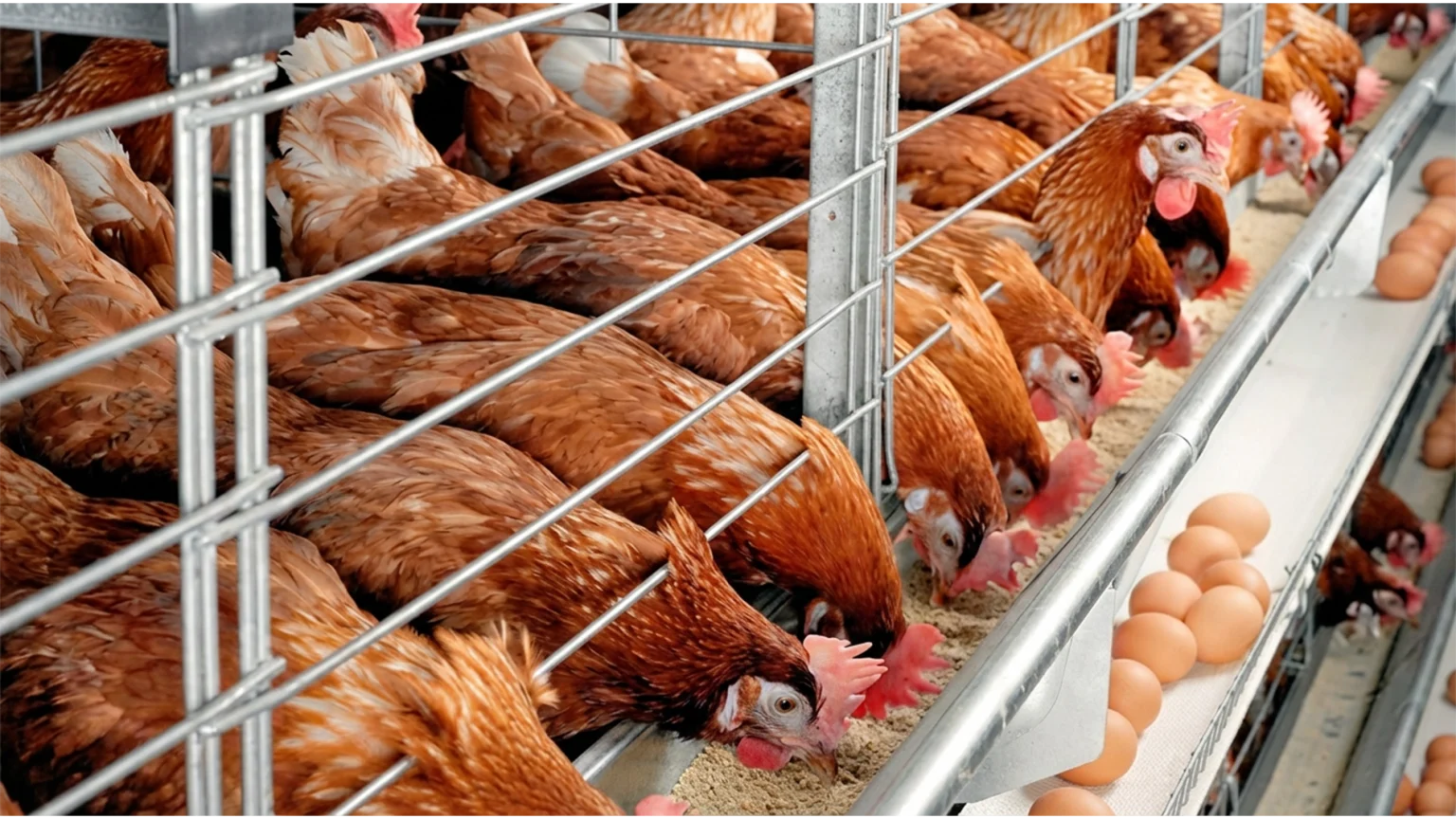
POULTRY FARMERS SEEK URGENT ACTION ON FEED COSTS, FINANCE, CHICK SHORTAGE
Poultry farmers have called for urgent government intervention to address rising feed costs, limited access to finance and shortages of day old chicks, warning that these challenges are putting pressure on poultry production across Nigeria.
The farmers say the rising cost of essential inputs is making it increasingly difficult to maintain their operations, sustain production and supply affordable poultry products to the market.
Feed remains one of the biggest expenses in poultry farming. With poultry birds requiring regular feeding to grow and remain productive, increases in the prices of maize, soybeans and other feed ingredients can significantly raise production costs.
When feed becomes more expensive, farmers are often left with difficult choices. They may have to spend more money to maintain production, reduce the size of their flocks or increase the prices of eggs and poultry meat. These decisions can affect both farmers' earnings and consumers' ability to afford protein-rich foods.
Access to finance is another major concern. Poultry farming requires regular investment in feed, medication, equipment, housing and labour. Farmers who cannot obtain affordable loans may struggle to expand their businesses or even maintain existing production levels.
High borrowing costs and strict lending conditions can be particularly challenging for small-scale farmers, many of whom have limited assets to offer as collateral. Without adequate funding, they may find it difficult to purchase inputs in bulk or invest in better production facilities.
The shortage of day-old chicks is adding another layer of difficulty. Farmers depend on a steady supply of healthy chicks to maintain their production cycles. When supplies become limited or prices rise, restocking becomes more expensive and production plans can be disrupted.
These challenges could have wider implications for Nigeria's food supply. Poultry products are important sources of protein, and sustained increases in production costs can contribute to higher prices for eggs and chicken. This places additional pressure on households already struggling with the cost of living.
The poultry industry also supports jobs across several parts of the agricultural value chain, including feed production, hatcheries, transportation, processing and retail. Difficulties facing farmers can therefore affect businesses and workers beyond the farm itself.
The farmers are seeking measures that would improve access to affordable financing, stabilise the supply of poultry inputs and strengthen local production of feed ingredients and day-old chicks. Better support for agricultural businesses could help reduce operating pressures and improve the industry's ability to meet domestic demand.
However, lasting improvements will require coordinated efforts involving government agencies, financial institutions, feed producers, hatcheries and farmers themselves.
For poultry farmers, the immediate priority is to make production more affordable and predictable. For consumers, the outcome could influence the availability and price of eggs and chicken in the months ahead.
Addressing these concerns could help protect farmers' livelihoods, strengthen Nigeria's poultry industry and improve access to affordable protein for households across the country.