


BREAKING NEWS
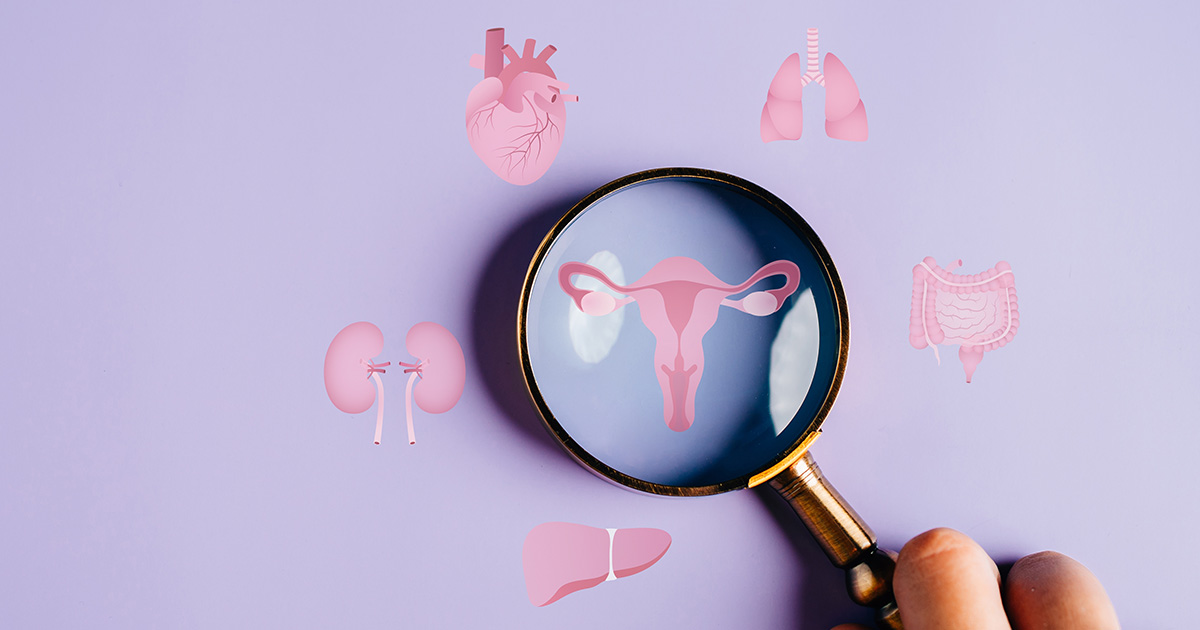
PCOS RENAMED PMOS TO BETTER REFLECT ITS COMPLEX HEALTH EFFECTS
Medical experts worldwide have officially renamed Polycystic Ovary Syndrome (PCOS) to Polyendocrine Metabolic Ovarian Syndrome (PMOS). The change, announced on May 12, 2026, aims to give a clearer picture of the condition’s wide impact on women’s health.
The new name was revealed in a major paper published in The Lancet following more than 10 years of discussions with doctors, researchers, and women living with the condition. It affects about 1 in 8 women globally over 170 million people.
For many years, the old name “PCOS” created confusion because it focused heavily on “cysts” in the ovaries. In reality, many women with the condition do not have visible cysts, and the disorder goes far beyond the ovaries. PMOS better highlights its effects on hormones (polyendocrine), metabolism, and reproductive health.
Women with PMOS often experience irregular periods, excess hair growth, acne, weight challenges, and higher risks of diabetes, heart disease, and mental health issues. The old name sometimes led to delayed diagnosis and limited treatment to fertility problems only, instead of addressing the full-body condition.
Experts say the rename will help improve awareness, speed up diagnosis, guide better treatment, and attract more research funding. It also reduces the stigma and misunderstanding many women face when seeking help.
The change is expected to be gradually introduced over the next three years in medical guidelines, hospitals, and health records worldwide. Full adoption in the International Classification of Diseases is planned for 2028.
In Nigeria and across Africa, where hormonal health issues are common but often underdiagnosed, this development could encourage more women to seek proper care and help doctors provide more complete support.
Patient groups and doctors have largely welcomed the new name, describing it as a long-overdue step that puts the focus on the real experiences of millions of women.