


POLITICS
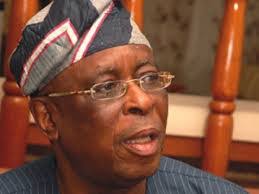
OSOBA CRITICISES ATIKU’S SUBSIDY PROPOSAL, SAYS POLICY COULD REVERSE NIGERIA’S PROGRESS
A former Ogun State Governor and chieftain of the All Progressives Congress, Olusegun Osoba, has criticised former Vice President Atiku Abubakar’s proposal to restore petrol subsidy, arguing that the policy could push Nigeria backwards.
Osoba described Atiku’s position as a move that could undermine the economic reforms being implemented by the administration of President Bola Tinubu.
The former governor’s comments followed Atiku’s renewed position that he would restore some form of petroleum subsidy if elected president in 2027. Atiku has argued that government intervention is necessary to reduce the financial burden of fuel costs on Nigerians and make transportation and other essential activities more affordable.
However, Osoba rejected the proposal, maintaining that Nigeria should not return to a system that places a heavy financial burden on government while creating opportunities for abuse and inefficiency.
He argued that the removal of subsidy, despite the hardship associated with the policy, was necessary to free government resources for other areas of development and encourage investment in the country's petroleum sector.
Osoba's criticism adds to the growing political debate over the future of Nigeria's fuel pricing policy ahead of the 2027 general elections. The issue has become a major point of disagreement between the ruling APC and opposition politicians.
Atiku has maintained that his proposed intervention should not be confused with the previous petrol import subsidy regime. His camp has described the proposal as a targeted and transparently managed intervention aimed at supporting domestic refining and reducing production and transportation costs.
According to Atiku's position, government support would gradually become unnecessary as domestic refining capacity expands, fuel supply improves and competition within the market increases.
The former vice president has also argued that the removal of subsidy has placed a significant burden on Nigerian households, insisting that government policies should focus on reducing the cost of living and restoring citizens' purchasing power.
The disagreement between Atiku and Osoba reflects the wider political argument over whether Nigeria should maintain the current market-driven approach to petrol pricing or introduce another form of government support to cushion consumers.
With the 2027 presidential election approaching, the fuel subsidy debate is expected to remain a major issue, particularly as political parties and candidates seek to convince Nigerians about their plans for tackling the country's economic challenges.
Osoba, however, remains opposed to a return to the subsidy system, insisting that Nigeria should continue with reforms aimed at creating a more sustainable petroleum sector rather than returning to policies that he believes could reverse the country's economic progress.