


POLITICS
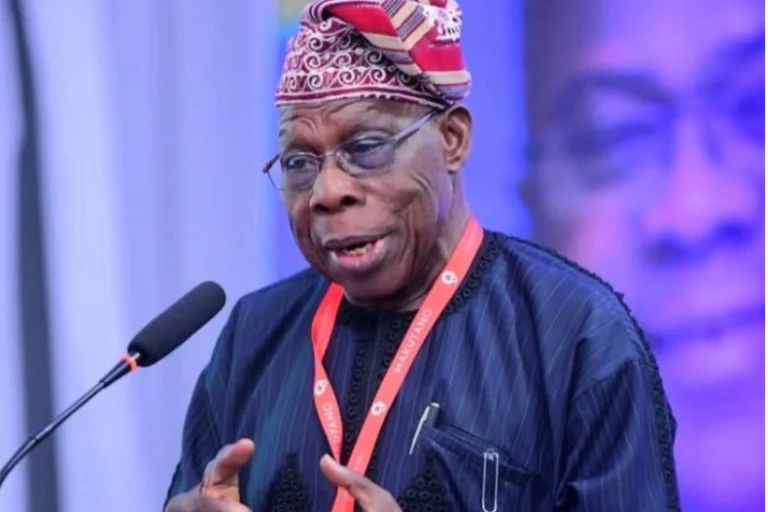
OBASANJO CRITICIZES TINUBU’S ECONOMIC REFORMS, SAYS NAIRA DEVALUATION MADE NIGERIANS “300% POORER”
Former President argues sharp currency depreciation and subsidy policies worsened household poverty and failed to deliver promised economic recovery
Former President Olusegun Obasanjo has issued a scathing critique of President Bola Ahmed Tinubu’s economic policies, asserting that the abrupt devaluation of the naira and associated reforms have severely impoverished Nigerians and deepened socio-economic hardship across the country.
Speaking at the Financial Times Africa Summit 2026 in London, the elder statesman argued that the floating of the local currency, which saw the exchange rate move from approximately N500 to over N1,500 per US dollar, effectively reduced the purchasing power of ordinary citizens by 300 percent.
Obasanjo maintained that the resulting inflationary surge in food, transportation, and healthcare costs has exacerbated poverty statistics, solidifying Nigeria’s standing among nations with the largest numbers of impoverished citizens. He further dismissed calls for citizens to exercise patience with the administration's economic trajectory, stating that he has yet to see tangible indicators of structural recovery or relief for household budgets.
While the Presidency and government officials have consistently defended the market-driven monetary reforms and petrol subsidy removal as necessary sacrifices to eliminate fiscal leakages, macroeconomic instability and rising living costs continue to generate intense public debate among political leaders and economic stakeholders.