


HEALTH
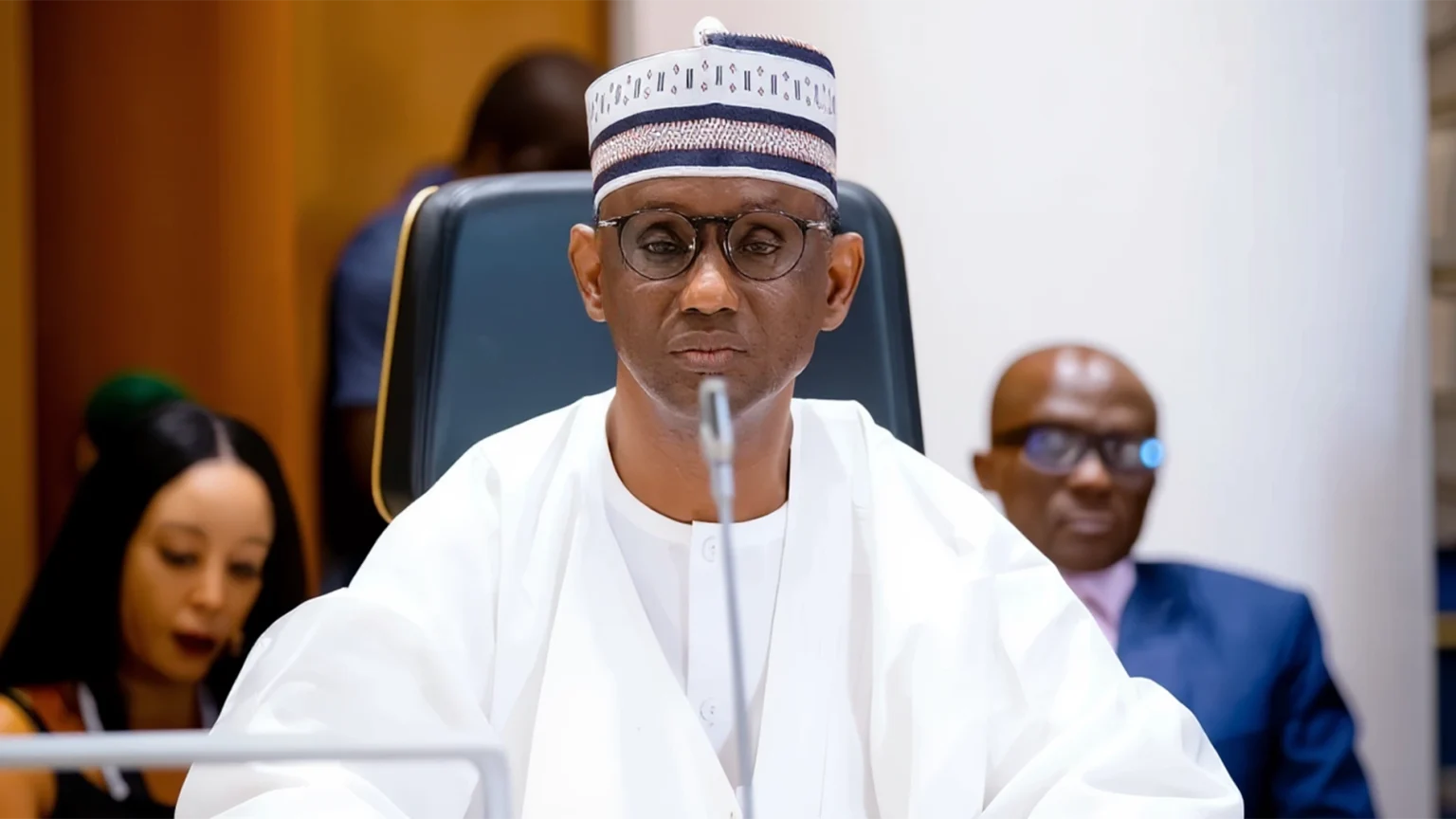
NSA, UN WARN TERRORISTS USING AI TO RECRUIT, SPREAD FEAR ACROSS AFRICA
Nigeria’s National Security Adviser (NSA) and the United Nations have raised concerns over the growing use of artificial intelligence by terrorist groups to recruit supporters, spread propaganda and create fear across Africa.
The warning highlights the evolving nature of security threats on the continent, as extremist organisations increasingly exploit digital platforms and emerging technologies to expand their reach beyond traditional battlefields.
Security officials have expressed concern that terrorist groups could use AI-powered tools to produce convincing propaganda, generate misleading information, translate recruitment materials into multiple languages and tailor messages to vulnerable audiences. Such capabilities could make extremist content easier to distribute and more difficult for authorities to identify and counter.
The use of AI-generated images, videos and audio could also enable criminal and extremist networks to spread false claims, impersonate public figures and manipulate public opinion. In communities already affected by insecurity, such content could deepen fear, encourage mistrust and complicate efforts to maintain peace.
The United Nations has repeatedly warned that terrorist organisations are adapting their methods to exploit technological developments, particularly online platforms that allow them to reach young people and recruit individuals across geographical boundaries.
For Nigeria, the concern is particularly significant because the country continues to confront terrorism and insurgency, especially in the North-East, alongside banditry, kidnapping and other security challenges in different regions.
Security experts have stressed that tackling the threat will require cooperation among intelligence agencies, technology companies, international organisations and civil society groups. They have also called for stronger digital investigation capabilities, improved information-sharing arrangements and public awareness campaigns to help citizens recognise manipulated content.
Young people are considered particularly important in prevention efforts because extremist recruiters may exploit economic hardship, social isolation, political grievances and the search for belonging to attract new supporters. Providing access to education, employment opportunities and credible information could help reduce vulnerability to such tactics.
However, experts have also cautioned that the use of AI in security operations must respect human rights, privacy and freedom of expression. Measures designed to counter extremist propaganda should distinguish between genuine threats and legitimate political, religious or social discussions.
The warning from Nigerian security authorities and the United Nations underscores the need for African countries to strengthen their technological and institutional capacity to respond to emerging threats.
As artificial intelligence becomes more widely accessible, authorities face the challenge of preventing its misuse without undermining the benefits it offers for education, communication, economic development and public safety.