


POLITICS
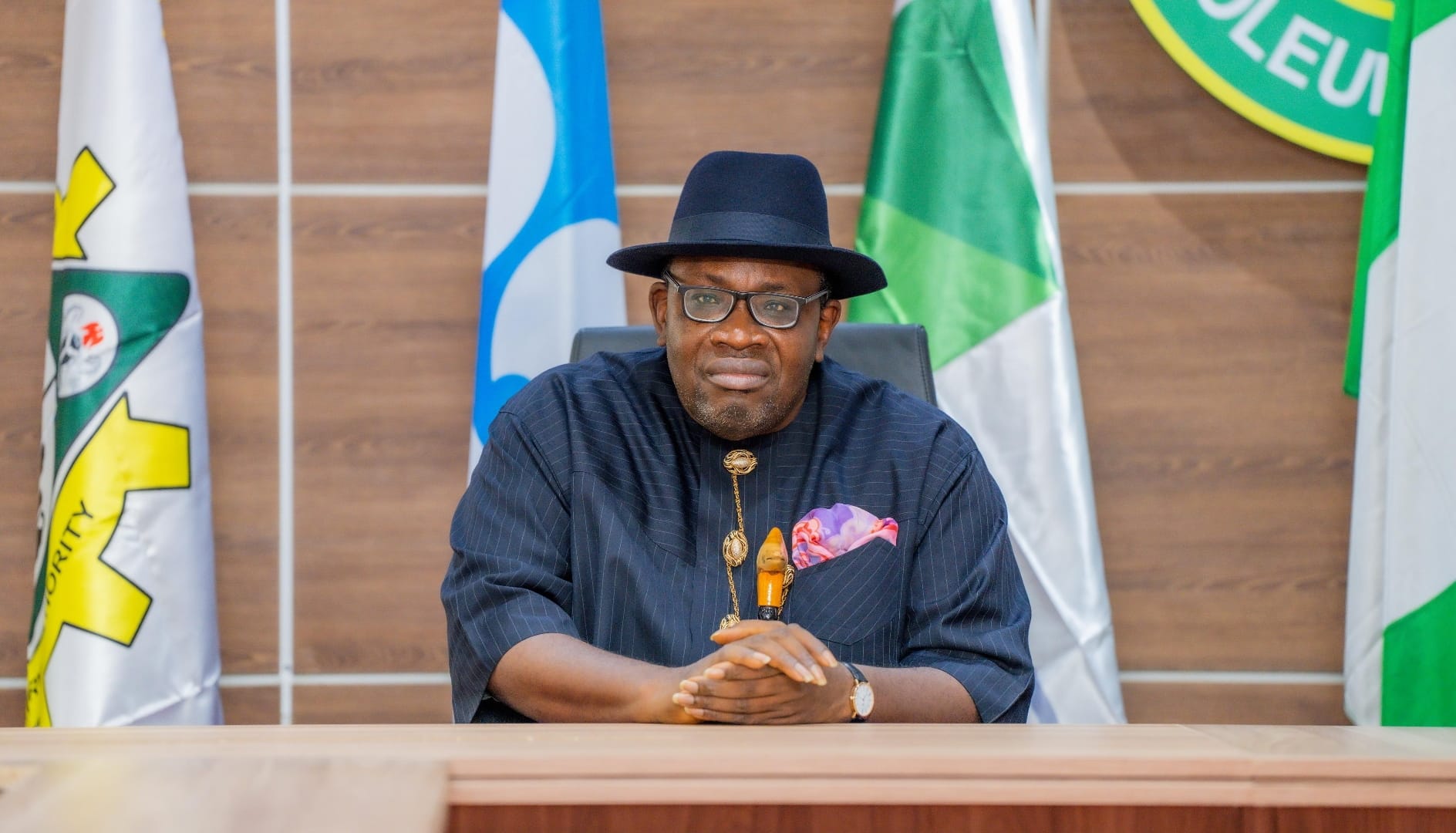
NO 2027 PRESIDENTIAL PLAN YET, DICKSON SAYS AFTER DUMPING PDP
Senator representing Bayelsa West Senatorial District, Seriake Dickson, has stated that he has no intention of contesting against President Bola Ahmed Tinubu in the 2027 presidential election, saying his immediate focus is on building a strong political platform rather than pursuing personal ambition.
Dickson disclosed this while speaking with journalists at his residence in Abuja shortly after confirming his resignation from the Peoples Democratic Party (PDP) and announcing his move to the Nigeria Democratic Congress (NDC).
The former governor of Bayelsa State explained that his priority, alongside other political stakeholders, is to develop the NDC into a credible national platform capable of attracting Nigerians from different political affiliations.
According to him, the long-term objective of the emerging political movement is to position itself to contest for power at the national level.
“We are working toward taking power at the centre, and it is achievable. Political parties are built by people, not just by their names,” he said.
Dickson noted that the political atmosphere in the country, particularly after the 2023 general elections, shows that a credible platform can gain widespread support.
“If you reflect on the dynamics of the 2023 elections, you will see the level of anger, hunger and frustration among Nigerians. With the right platform and credibility, anything is possible,” he said.
Responding to questions about whether his defection to the NDC was part of a strategy to challenge Tinubu in 2027, the senator dismissed the speculation, stressing that presidential ambitions are not the party’s current priority.
“Our focus right now is not about who will run for president. My colleagues and I are concentrating on building a credible political platform that Nigerians can identify with,” he said.
Dickson also played down ongoing discussions about zoning and political permutations ahead of the 2027 election, insisting that greater attention should be placed on strengthening party structures and democratic institutions.
“Politics is broader than debates about zoning or which region should produce the next president. Our priority is to build the party first. We do not want to repeat the mistakes other parties have made,” he explained.
He added that conversations about potential candidates would emerge naturally when the time is right.
“For now, I am not focused on the presidency, even though I am eminently qualified. Our attention is on building the party,” he said.
The senator also called on politicians across the country with various political ambitions to join the NDC, describing the party as an inclusive platform for Nigerians seeking elective positions.
“We are building a party that welcomes everyone — those aspiring to become president, governors, senators, members of the House of Representatives, state legislators, as well as chairmanship and councillorship candidates. With the Nigeria Democratic Congress, the political landscape has changed,” he said.
Addressing concerns that members of the ruling party might infiltrate the new platform, Dickson said the NDC remains open to all Nigerians but assured that any internal challenges would be properly managed.
“We are open to everyone. If issues arise, we will know how to address them. Our main goal is to attract credible people from across the country,” he said.
He expressed confidence that the quality of individuals joining the party would enable it to perform strongly in future elections.
“With the calibre of people aligning with us nationwide, the NDC will surprise many. We believe we can win elections in several parts of the country,” he added.
Dickson also clarified that the newly registered Nigeria Democratic Congress should not be mistaken for the defunct Niger Delta Congress, noting that the new party is intended to operate as a national political movement.
“I am a pan-Nigerian politician. The Niger Delta Congress of the past is completely different from this newly registered Nigeria Democratic Congress. That earlier group emerged during a period when regional parties dominated Nigerian politics, but the country has moved beyond that era,” he said.
The senator had earlier announced his resignation from the PDP, citing what he described as deepening internal crises and poor leadership within the party.
At the briefing, Dickson lamented that the party, which once dominated Nigeria’s political space, had been weakened significantly by internal conflicts.
He urged Nigerians who desire a stronger democratic system to consider aligning with the NDC, which he described as a credible alternative.
Despite leaving the PDP, Dickson acknowledged that he still feels emotionally connected to the party due to the role it played in Nigeria’s democratic development.
However, he blamed the party’s current challenges largely on the actions of some leaders, particularly governors.
“The governors and other party leaders must accept responsibility for the avoidable and self-inflicted damage that has weakened the PDP,” he said.
Dickson also warned against the possibility of Nigeria drifting toward a one-party system, arguing that the country’s diversity makes such a development unrealistic.
“Nigeria cannot function as a one-party state. Anyone advocating for that idea is pursuing an illusion,” he said.