


BUSINESS
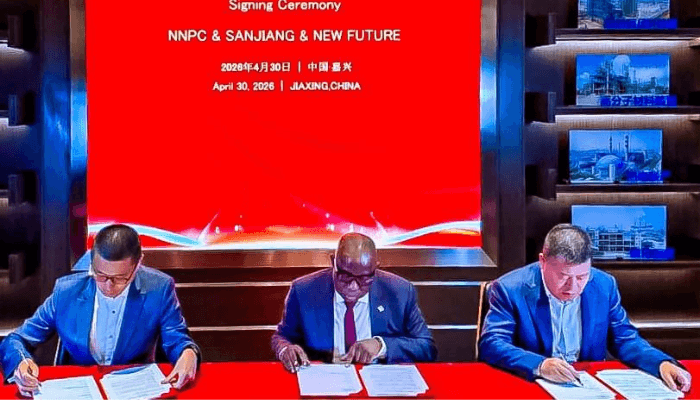
NNPC SIGNS DEAL WITH CHINESE FIRM TO REVIVE $2.4BN REFINERIES
Nigeria’s state oil company, Nigerian National Petroleum Company Limited, has signed a new agreement with a Chinese partner to revive the country’s struggling state-owned refineries facilities that have reportedly consumed over $2.4 billion in past rehabilitation efforts.
The deal is part of renewed efforts to restore local refining capacity and reduce Nigeria’s long-standing dependence on imported fuel. For years, the country’s refineries have operated far below capacity despite multiple rounds of funding aimed at repairs and upgrades.
By bringing in a Chinese firm, NNPC is looking to leverage technical expertise and fresh investment to finally get the refineries back to functional levels. The move signals a shift toward more strategic partnerships, especially with international players experienced in large-scale energy infrastructure.
For Nigeria, fixing the refineries is seen as a critical step toward achieving energy security. Local refining could help stabilize fuel supply, reduce import bills, and potentially lower the cost of petroleum products for consumers.
However, the announcement has also sparked skepticism. Many Nigerians are questioning whether this new deal will deliver results, given the significant funds already spent in previous attempts with little to show.
Experts say the success of the project will depend heavily on transparency, execution, and consistent oversight. Without these, there are concerns that the cycle of spending without tangible outcomes could continue.
Still, if successfully implemented, the partnership could mark a turning point for Nigeria’s oil sector transforming dormant assets into productive infrastructure and easing pressure on the country’s fuel supply chain.
As the deal moves into implementation, all eyes will be on whether this latest attempt can finally succeed where others have struggled.