


POLITICS &POLICY
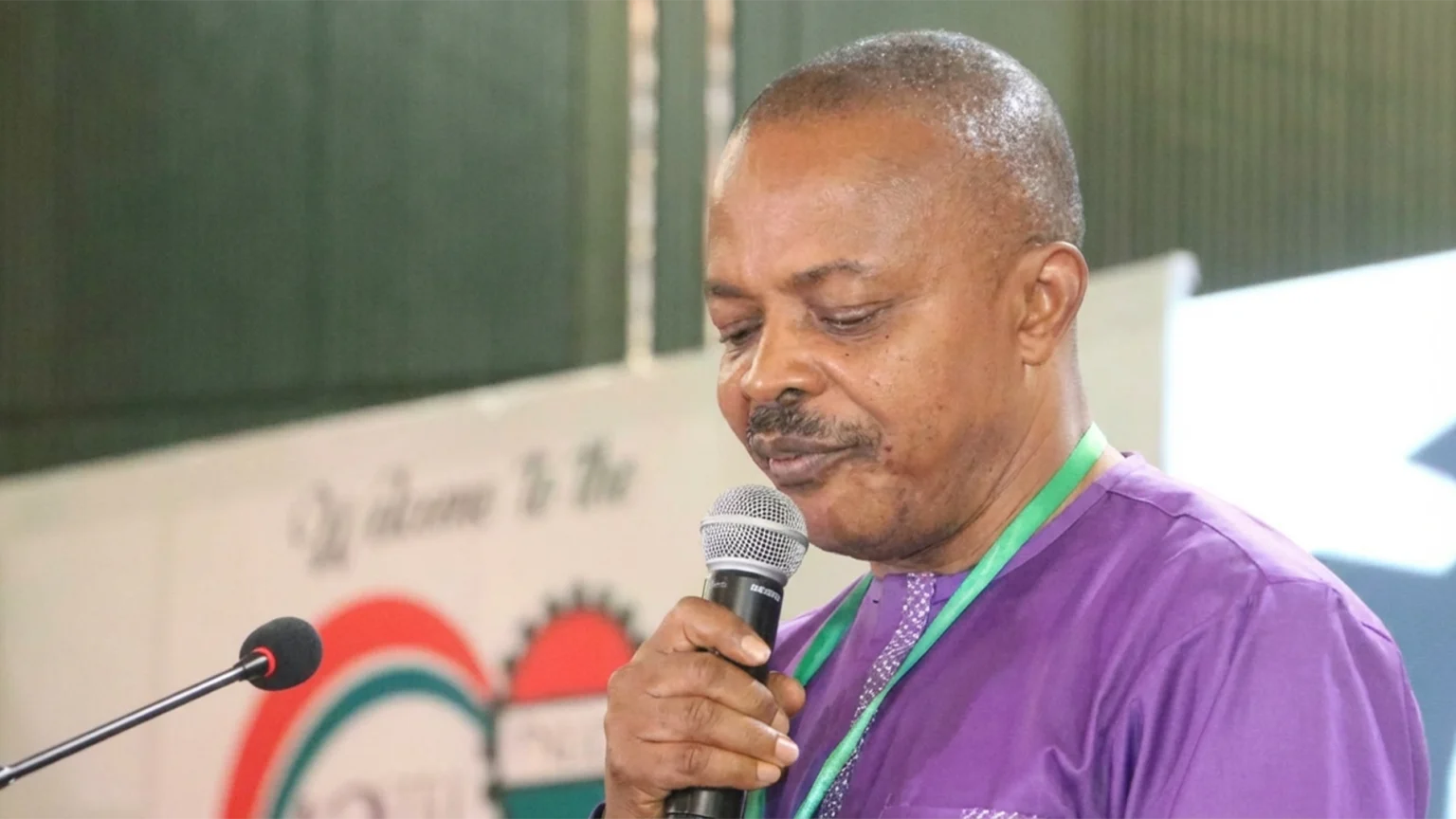
NLC MOBILISES FOR NATIONWIDE STRIKE OVER MINIMUM WAGE, PETROL PRICES AS TALKS COLLAPSE
The Nigeria Labour Congress (NLC) is mobilising workers for a possible nationwide strike following the collapse of negotiations over the minimum wage and rising petrol prices.
The development has raised fresh concerns about the cost of living and the growing pressure on Nigerian workers struggling to meet their daily expenses.
The NLC represents workers across different sectors of the economy and has consistently called for measures to protect their earnings as inflation and higher transportation costs continue to affect household budgets.
The disagreement comes as many workers say their salaries are no longer enough to cover basic needs, including food, rent, transportation, electricity and healthcare. Rising petrol prices have added to these challenges by increasing the cost of commuting and transporting goods.
For workers who depend on public transportation, higher fuel costs can quickly translate into more expensive daily journeys. Businesses also face increased operating expenses, which may lead to higher prices for goods and services.
The minimum wage remains a major point of concern for organised labour, which argues that workers need adequate earnings to maintain a reasonable standard of living. Employers and government authorities, however, must also consider the financial implications of wage adjustments and how they can be implemented sustainably.
With negotiations reportedly breaking down, the NLC's mobilisation signals a possible escalation in the dispute. A nationwide strike could disrupt public services, commercial activities and transportation, depending on the level of participation by workers across the country.
However, industrial action is often used by labour unions as a means of pressuring government officials and other stakeholders to return to the negotiating table and address unresolved demands.
The situation also highlights the need for lasting solutions to Nigeria's cost-of-living challenges. Beyond wage increases, workers and households remain concerned about inflation, affordable transportation, food prices and the overall purchasing power of their income.
For millions of Nigerians, the outcome of the dispute could have significant implications for their earnings and everyday expenses.
As tensions rise, attention will be on whether the government and organised labour can resume discussions and reach an agreement before industrial action begins.