


NEWS XTRA
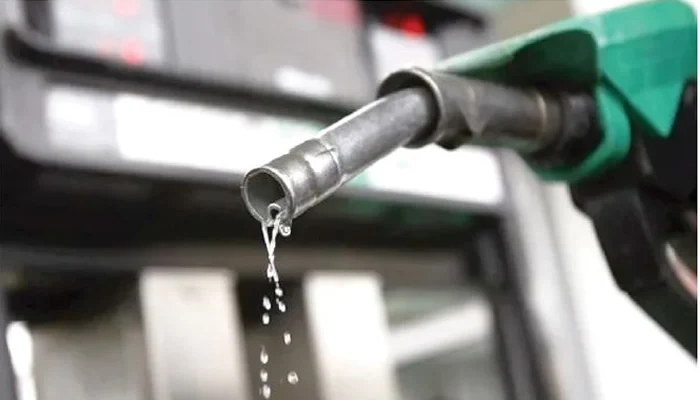
NIGERIA’S PETROL EXPORTS SURGE SIXFOLD, NEAR N1TN
Nigeria earned N998.50bn from petrol exports in the first six months of 2026, marking a sharp increase as the Dangote Petroleum Refinery expanded production and global supply disruptions created new opportunities for Nigerian refined products.
Data from the National Bureau of Statistics showed that N621.72bn of the export earnings in the period came from African trading partners.
In the second quarter of 2026 alone, Premium Motor Spirit ranked seventh among Nigeria’s leading exports, generating N546.02bn and accounting for 2.02 per cent of total exports.
Crude oil remained the country’s largest export in the quarter at N12.91tn, followed by kerosene-type jet fuel at N2.94tn, natural gas at N2.82tn, urea at N2.12tn, other petroleum gases at N1.89tn and gas oil at N1.32tn.
The development represents a major change from the previous year when Nigeria was still heavily dependent on petrol imports.
PMS did not feature among the country’s top exports in the first quarter of 2025, while Nigeria spent N1.76tn importing the product.
Petrol returned to the export list in the second quarter of 2025, generating N85.83bn. The N546.02bn recorded in the second quarter of 2026 was therefore more than six times higher.
Investment research analyst Abeeblahi Rufai attributed the initial low export volumes to the absence of sufficient surplus petrol for export, as domestic demand absorbed much of the available production.
Rufai said production constraints at the Dangote Refinery, including outages and maintenance involving its Residue Fluid Catalytic Cracking unit, also affected gasoline output during the refinery’s early operational period.
He added that domestic supply obligations under the naira-for-crude arrangement and pressure to prioritise the Nigerian market further reduced the volume available for export.
According to the analyst, the subsequent increase in exports was driven mainly by the ramp-up of the Dangote Refinery and disruptions to global refined-product supplies following the Iran war.
He explained that several African countries had traditionally depended on refined petroleum products from suppliers in the Middle East, Asia and Europe, including the United Arab Emirates, Saudi Arabia, Oman and India.
Rufai said the Dangote Refinery’s location gave it a logistical advantage in supplying African markets because shorter shipping distances could reduce freight and other transportation costs.
He added that disruptions to energy flows through the Middle East, including the Strait of Hormuz, affected refined-product supplies to some Asian and European markets and prompted some countries to restrict exports.
According to him, sanctions on Russia and attacks on its refining infrastructure further reduced the availability of refined petroleum products in the international market.
Rufai said these developments created an opportunity for the Dangote Refinery to emerge as an alternative supplier of petrol to African markets, with its proximity reducing the logistics costs associated with supplies from Europe and the Middle East.
Senior Analyst at CardinalStone Securities, Tomiwa Adeniji, said Nigeria’s long dependence on imported petrol, despite its status as a major crude oil producer, was largely linked to inadequate refining capacity and low refinery utilisation.
She said Nigeria’s refining capacity had increased from about 400,000 barrels per day at roughly one per cent utilisation before the Dangote Refinery began operations to about 1.1 million barrels per day at approximately 62 per cent utilisation.
Adeniji said the Dangote Refinery began producing PMS in September 2024, although low utilisation during its ramp-up initially limited the volume available to the market.
She said Nigeria had now moved into a position of being a net exporter of refined petroleum products.
Economist and Chief Executive Officer of Economic Associates, Dr Ayo Teriba, said the refinery initially focused on reducing Nigeria’s dependence on imported petrol by supplying the domestic market.
Teriba said the Dangote Refinery was now meeting more than half of local PMS requirements, reducing the need for imports and potentially eliminating petrol imports in the medium term.
He added that the refinery had subsequently expanded its exports to include PMS, diesel and aviation fuel, products Nigeria previously imported in significant quantities.
Teriba said the development was changing the position of refined petroleum products from major items on Nigeria’s import list to increasingly important commodities in the country’s export earnings.
The expansion of refining and exports could also be supported by increased domestic crude oil production as the Federal Government continues efforts to attract investment into the oil sector.
The Minister of State for Petroleum Resources (Oil), Heineken Lokpobiri, said recent policies had increased the participation of indigenous companies in Nigeria’s hydrocarbon production.
Lokpobiri said indigenous companies now account for about 60 per cent of oil production, compared with the much larger share previously held by international oil companies.
He explained that international oil companies had continued operating in Nigeria but had divested from onshore, swamp and shallow-water assets while concentrating more on deep offshore operations.
The minister said active drilling rigs in the country had increased from between 10 and 14 to more than 65.
He added that Nigeria was targeting crude oil production of at least three million barrels per day in the coming years, which could provide additional feedstock for domestic refineries and support further growth in refined petroleum product exports.