


NEWS XTRA
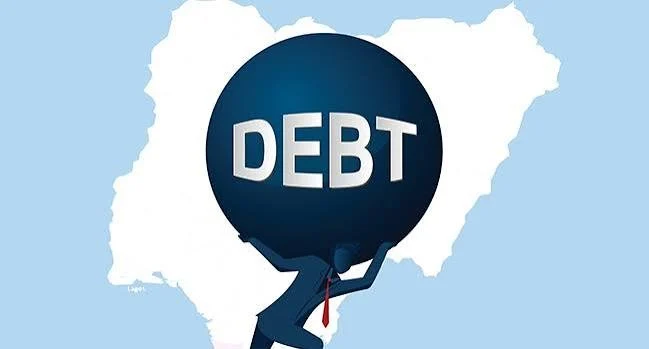
NIGERIA’S DEBT INTEREST PAYMENTS SURGE PAST FEDERAL REVENUE BY 124 PERCENT, WORLD BANK REPORT REVEALS
Financial metrics show federal debt servicing outstripping total income during the first half of the year, driven by high domestic borrowing costs despite improved revenue collections
The Federal Government expended a total of 7.7 trillion Naira on debt interest payments during the first half of the year, exceeding its aggregate revenue of 6.2 trillion Naira by 1.5 trillion Naira.
According to findings released in the World Bank’s latest Nigeria Development Update, debt servicing obligations represented 124.2 percent of total federal revenue between January and June, highlighting ongoing fiscal pressures.
The data indicates a notable increase compared to the corresponding period from the previous year, during which interest payments stood at 5.6 trillion Naira, representing an upward surge largely propelled by elevated domestic borrowing costs and high interest rates.
Although aggregate federal revenue recorded a substantial year-on-year increase climbing by 72.2 percent from 3.6 trillion Naira to 6.2 trillion Naira due to enhanced collection frameworks debt service obligations continued to outpace incoming funds.
The report further noted that overall federal expenditure rose to 16.1 trillion Naira during the review period, compounded by rising personnel costs which climbed to 4.2 trillion Naira following recent civil service wage adjustments.
Economic analysts and institutional stakeholders have emphasized the critical need for accelerated revenue mobilization, rigorous fiscal discipline, and expenditure rationalization to prevent mounting debt obligations from severely constraining capital investments and national development financing.