


POLITICS &POLICY
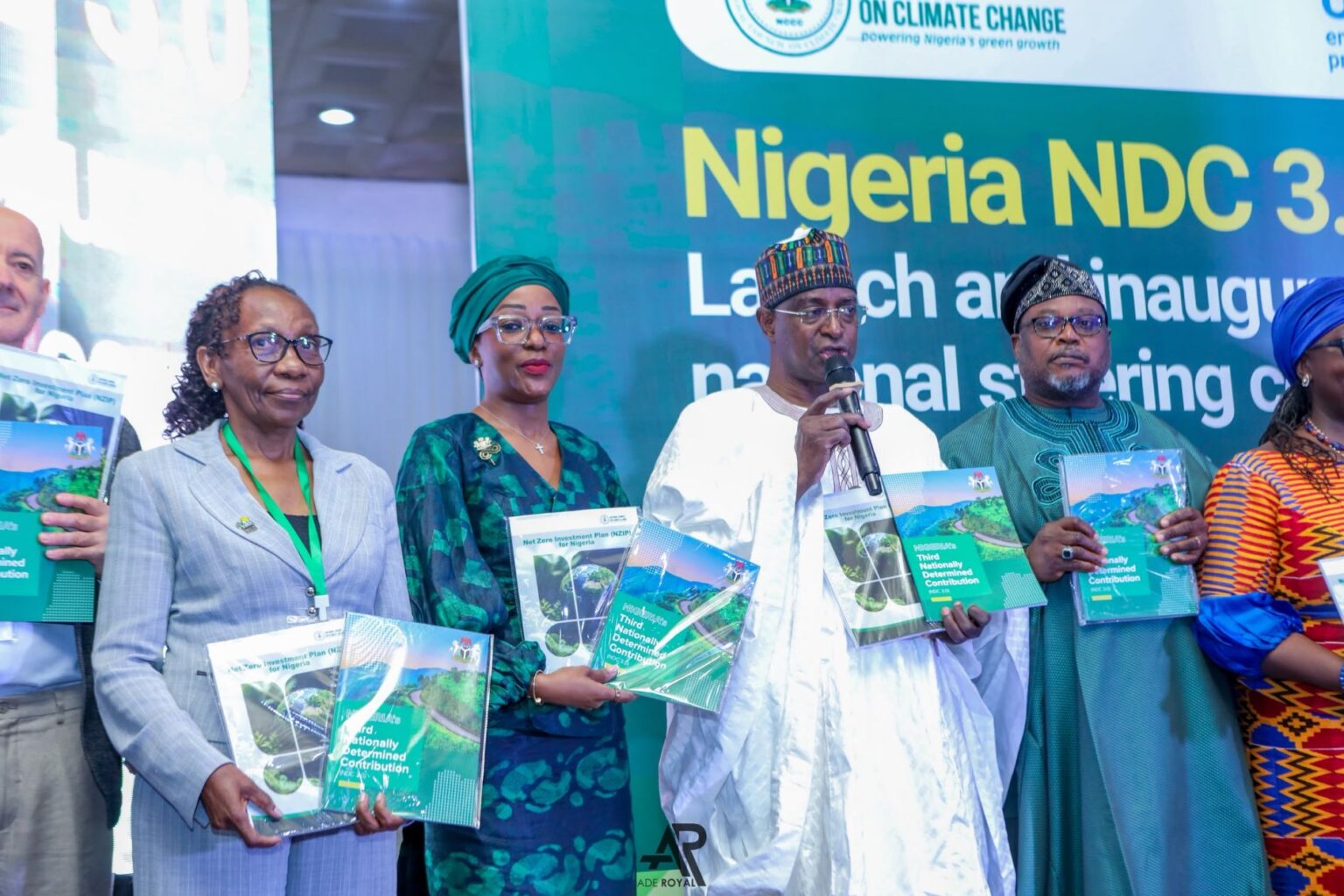
NIGERIA’S CLIMATE POLICY, FINANCING, IMPLEMENTATION WORRIES UNDP
The United Nations Development Programme (UNDP) has expressed concerns about Nigeria’s climate policy, financing and implementation, highlighting the challenges the country faces in translating its environmental commitments into practical results.
The concerns come as Nigeria continues to confront the effects of climate change, including flooding, drought, rising temperatures, desertification and threats to food production. These challenges affect livelihoods, infrastructure and economic activities, particularly in communities that depend heavily on agriculture and natural resources.
Although climate policies provide a framework for addressing environmental risks, their effectiveness depends on how well they are implemented. Without clear responsibilities, adequate resources and consistent monitoring, even well-designed policies may struggle to deliver meaningful improvements.
Financing remains another major challenge. Climate-related projects often require significant investment in renewable energy, flood control, sustainable agriculture, resilient infrastructure and environmental protection. Limited public funds and difficulties attracting private investment can slow progress, leaving vulnerable communities exposed to worsening climate risks.
For Nigeria, the consequences extend beyond environmental protection. Climate-related disasters can destroy homes, damage roads, disrupt businesses and reduce agricultural output. These effects can increase food prices, deepen poverty and place additional pressure on public spending.
Addressing these challenges will require stronger coordination among government agencies, state authorities, development partners, businesses and local communities. Transparent use of climate funds, measurable targets and regular assessments could also help ensure that resources produce tangible results.
Nigeria may also need to expand opportunities for private-sector participation in climate solutions, including clean energy, efficient transport and sustainable farming. Such investments could help reduce environmental risks while creating jobs and supporting economic development.
The concerns attributed to the UNDP highlight the importance of moving beyond policy commitments towards effective delivery. For Nigeria, the real test will be whether climate plans receive sufficient funding and translate into practical protection for people, businesses and the environment.