


BUSINESS
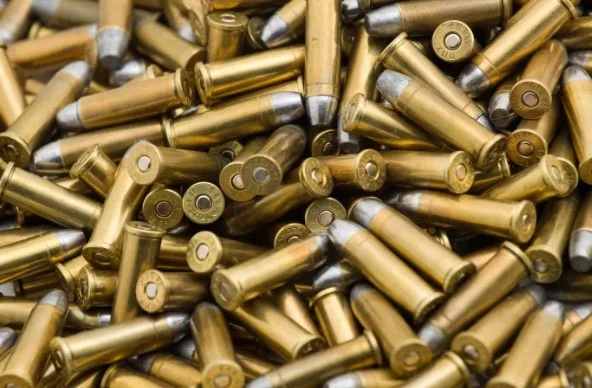
NIGERIA’S ARMS IMPORT BILL SURGES PAST ₦55BN AS PURCHASES MORE THAN DOUBLE
Nigeria’s expenditure on imported arms and ammunition has risen sharply, with the value of military and defence-related imports increasing by more than 100 per cent to about ₦55 billion. The increase reflects a significant rise in the country’s demand for military equipment and other defence materials amid continued efforts to strengthen national security.
The latest figures indicate that arms imports recorded a 104 per cent increase, highlighting the scale of Nigeria’s spending on defence equipment. The rise comes as the government and security agencies continue to face multiple threats, including terrorism, banditry, kidnapping and other forms of violent crime across different parts of the country.
The increased imports are expected to include equipment and materials required by the armed forces and other authorised security institutions to support their operations. Nigeria has in recent years stepped up military procurement as part of efforts to improve the capacity of its security forces, provide modern equipment and enhance their ability to respond to increasingly complex security challenges.
The development also comes against the backdrop of broader government efforts to modernise the country’s defence architecture. Apart from acquiring weapons, authorities have been investing in surveillance systems, military platforms, communication equipment and other technologies intended to improve intelligence gathering and operational effectiveness.
The sharp increase in the import bill, however, places greater attention on how defence resources are managed and deployed. With security remaining a major national priority, the government is expected to ensure that military procurement delivers the necessary capabilities while maintaining transparency and accountability in the acquisition of defence equipment.