


BUSINESS &ECOMONY
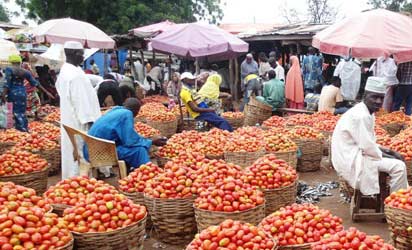
NIGERIA’S 11M-TONNE COLD STORAGE GAP EXPOSES FOOD SUPPLY WEAKNESS
Nigeria is facing a major shortage of cold storage facilities, raising concerns about food waste, rising prices and the challenges of keeping fresh produce safe from farms to consumers.
The country’s reported cold storage gap of 11 million tonnes highlights a significant weakness in its food supply chain, particularly in the storage and transportation of perishable goods such as vegetables, fruits, fish, meat and dairy products.
Cold storage facilities help preserve food by maintaining suitable temperatures and slowing spoilage. Without adequate refrigeration, farmers, traders and food distributors may struggle to keep their products fresh, especially in areas where electricity supply is unreliable and access to modern storage facilities is limited.
For many Nigerian farmers, getting produce to the market is only part of the challenge. Fruits and vegetables can spoil before reaching buyers, particularly when transportation takes too long or storage conditions are poor. This results in financial losses for farmers and traders, while reducing the amount of food available to consumers.
The effects can also be felt in household budgets. When large quantities of food spoil before reaching the market, the remaining supply may become more expensive. Consumers ultimately bear some of the burden through higher food prices, while businesses face additional costs from damaged stock and repeated losses.
The shortage also presents challenges for Nigeria’s efforts to improve food security. Increasing agricultural production alone may not be enough if the country cannot properly preserve, transport and distribute what it grows.
Expanding cold storage infrastructure could help address these problems. Investments in refrigerated warehouses, cold-chain transportation, reliable electricity and solar-powered storage systems could enable farmers and food businesses to preserve produce for longer periods and reach more markets.
Government support, private-sector investment and partnerships with agricultural cooperatives could also help make cold storage more accessible to small-scale farmers and traders.
Closing Nigeria’s cold storage gap will require sustained investment and effective planning. Improving food preservation could reduce waste, protect farmers’ earnings, strengthen the food supply chain and help make food more affordable for Nigerian households.