


BUSINESS &ECOMONY
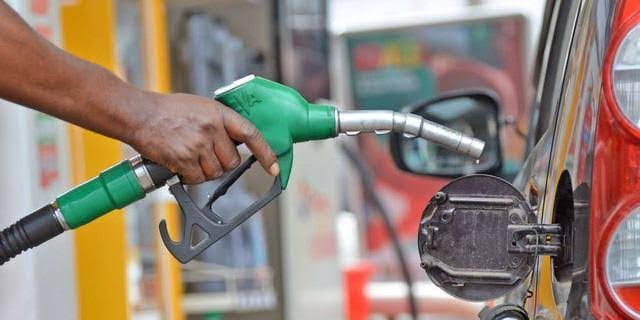
NIGERIANS SPEND ₦11.3TN ON PETROL IN SEVEN MONTHS AS CONSUMPTION DROPS
Nigerians spent an estimated ₦11.3 trillion on Premium Motor Spirit, popularly known as petrol, between January and July 2026, as the rising cost of fuel continued to place pressure on households, transport operators and businesses across the country.
Data from the Nigerian Midstream and Downstream Petroleum Regulatory Authority showed that about 10.37 billion litres of petrol were supplied to the domestic market during the seven-month period. An analysis of the volumes against average petrol prices indicated that consumers spent more than ₦11 trillion despite a significant decline in the quantity of fuel purchased.
Petrol remains Nigeria’s dominant fuel for cars, buses, motorcycles, tricycles and electricity generators, making changes in its price particularly important to household and business expenses. Following the removal of the petrol subsidy in 2023, pump prices rose sharply from ₦175 per litre, with the average price recorded in the NMDPRA data reaching about ₦1,310 per litre during the period under review.
The monthly figures showed that Nigerians spent more than ₦1 trillion on petrol in every month from January through July. Average petrol prices stood at about ₦830 per litre in January and February before increasing to approximately ₦1,100 in March, ₦1,250 in April and ₦1,300 in May. The average price later eased to around ₦1,200 per litre in both June and July.
In January, Nigerians consumed about 1.87 billion litres of petrol at a cost of roughly ₦1.55 trillion. Consumption dropped to 1.59 billion litres in February, with expenditure estimated at ₦1.32 trillion. In March, about 1.47 billion litres were consumed, costing approximately ₦1.61 trillion, while April recorded a bill of ₦1.92 trillion on roughly 1.53 billion litres.
The trend continued in May, when consumers spent about ₦1.87 trillion on 1.44 billion litres. June recorded expenditure of approximately ₦1.71 trillion on 1.42 billion litres, while July had the lowest consumption for the seven-month period at about 1.11 billion litres. Despite the lower volume, Nigerians still spent approximately ₦1.33 trillion on petrol that month.
The figures indicate that higher petrol prices have continued to drive up the total amount Nigerians spend on fuel, even as consumers cut back on consumption. Average daily petrol demand fell to 35.7 million litres in July, representing a 24.7 per cent decline from the 47.4 million litres recorded daily in June. It was also 24.4 per cent lower than the 47.2 million litres consumed daily in July 2025.
July’s figure was further reported to be 44 per cent below the 63.7 million litres per day recorded at the peak of consumption in December 2025. It was also 28.6 per cent below the NMDPRA’s 50 million-litre daily benchmark and about 29.4 per cent below the 50.6 million-litre average recorded over the 13-month period covered by the statistics.
While petrol consumption weakened considerably, other petroleum products recorded stronger demand. Diesel consumption reached 14.7 million litres per day in July, slightly above the 14 million-litre benchmark, while liquefied petroleum gas, commonly known as cooking gas, stood at 4.4 kilotonnes per day compared with a benchmark of 3.9 kilotonnes.
The figures have renewed discussions around the consequences of petrol subsidy removal and the measures required to cushion the impact on Nigerians. Energy experts and economists have backed calls for targeted interventions but cautioned against returning to the previous blanket subsidy system, arguing that any intervention should be transparent, accountable and properly targeted.
Chief Executive Officer of Petroleumprice.ng, Olatide Jeremiah, argued that the current cost of petrol remained excessive given the level of poverty and hardship faced by many Nigerians. He suggested that part of government revenue from crude oil sales could be channelled into measures aimed at reducing the burden of petroleum prices on consumers.
Energy economist Prof. Adeola Adenikinju, meanwhile, said a production-focused subsidy would be preferable in principle to a consumption subsidy, although he warned that Nigeria’s history of special interests could complicate such an arrangement. He also called for greater investment in mass transportation, saying improved public transport could help reduce the pressure high fuel costs place on households.
Adenikinju also questioned whether the Federal Government’s Compressed Natural Gas intervention was sufficiently widespread to provide meaningful relief, pointing to the limited availability of CNG facilities and buses in many parts of the country.
The latest figures have therefore intensified the debate over how the government can translate savings from subsidy removal into tangible benefits for citizens, particularly as the cost of transportation, food and other essential goods remains closely linked to energy prices.