


NEWS XTRA
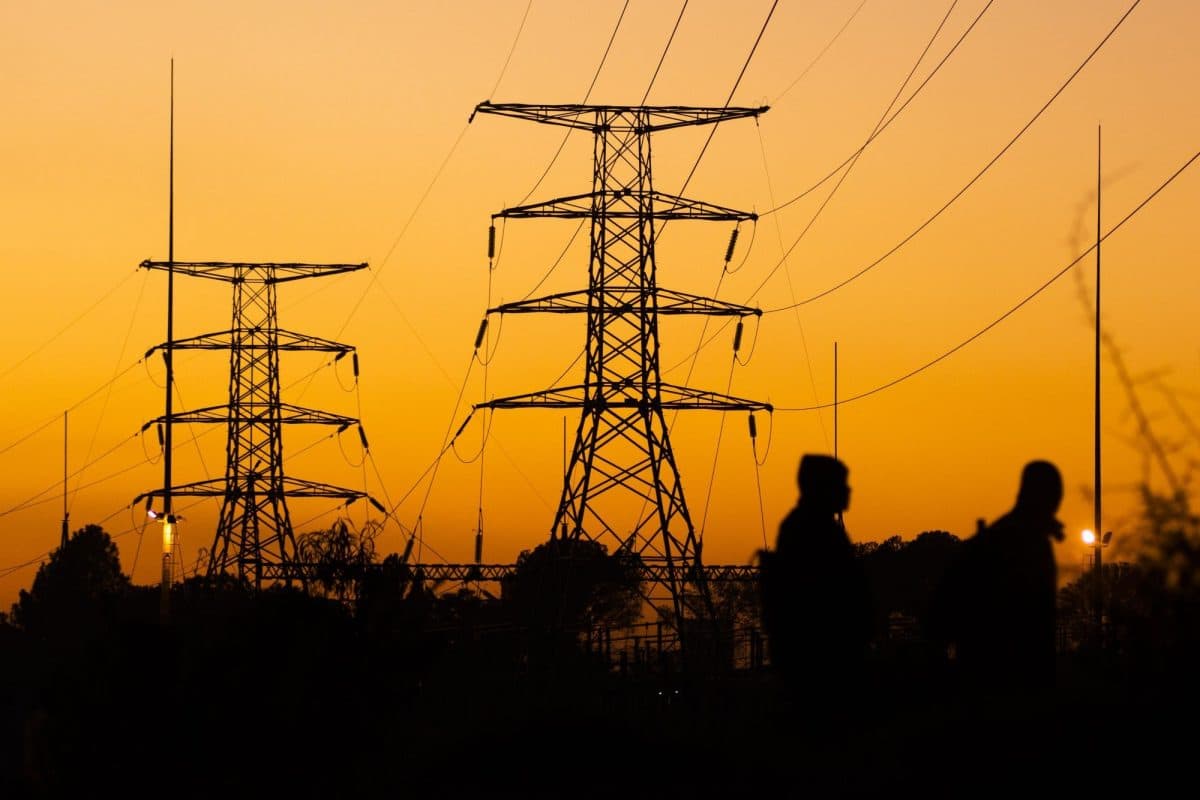
NIGERIANS RAISE CONCERNS OVER SOLAR INITIATIVE AMID PERSISTENT OUTAGES
As persistent power outages continue to plague communities across Nigeria, many citizens are raising concerns about the federal government’s increasing emphasis on solar energy solutions — questioning whether the approach is timely or adequate to address the deepening electricity crisis.
Residents in several states have expressed frustration, noting that frequent blackouts have become the norm rather than the exception. The instability of the national grid has seen supplies fall far below what the country needs, forcing households and businesses to rely on noisy and costly diesel generators or basic solar setups to cope.
“Nigerians are tired of repeated blackouts,” said one resident in Niger State, where irregular electricity has disrupted daily life and economic activity. “We hear plans for solar but still struggle to get light day‑to‑day.”
Experts say Nigeria’s power generation remains critically low compared with its requirements, with current output sometimes at less than a third of what the grid could handle if fully functional. They point to underinvestment, infrastructure decay, and debt in the power sector as major barriers to improvement.
In response, the federal government has proposed greater adoption of renewable energy sources, particularly solar power, as part of a broader strategy to diversify the energy mix and reduce dependence on the unstable national grid. Plans include expanding solar mini‑grids and incentivising off‑grid solar solutions across rural and urban areas.
However, some Nigerians argue that the focus on solar comes at a time when many cannot afford home systems due to high upfront costs and limited financing options. Critics also say solar initiatives must be matched with robust grid reforms to deliver reliable electricity to all regions.
Energy analysts contend that while solar energy can play an important role, it should complement — not replace — efforts to strengthen grid infrastructure and improve distribution networks that have suffered decades of underinvestment.
The debate reflects a broader conversation about Nigeria’s long‑standing power challenges and the best path forward for ensuring affordable, dependable electricity for millions of citizens. With the grid’s frequent failures and continued economic costs, many Nigerians are looking for practical solutions that offer light today — not just plans for tomorrow.
"This represents a significant development in our ongoing coverage of current events."— Editorial Board