


NEWS XTRA
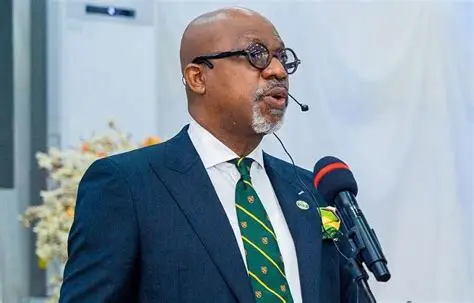
NIGERIA NEEDS 554,353 PERSONNEL FOR STATE POLICE IMPLEMENTATION – ABIODUN
Ogun State Governor and Chairman of the Southern Governors' Forum outlines expansive manpower requirements and funding frameworks necessary to transition toward a decentralized security architecture
Ogun State Governor, Dapo Abiodun, has stated that Nigeria requires an additional 554,353 personnel to successfully operationalize and adequately staff the proposed state police system across the federation.
Speaking at a strategic security discourse, Governor Abiodun noted that the calculated figure is derived from empirical data compiled by the Nigeria Governors' Forum, utilizing the United Nations recommended ratio of one police officer to 414 citizens.
According to the governor, fulfilling this manpower target would translate to recruiting approximately 184,784 personnel annually over a structured three-year rollout period to bridge existing deficits in local policing.
Abiodun emphasized that the national conversation has progressed past the question of whether state policing is necessary, shifting instead toward practical implementation challenges such as sustainable funding, specialized training, equipment acquisition, and institutional safeguards against political abuse.
He asserted that centralized security frameworks can no longer adequately address localized criminality, stressing that effective intelligence gathering requires security personnel who understand indigenous terrains and community dialects.
The governor further maintained that securing the nation through decentralized law enforcement serves as a fundamental catalyst for broader economic growth, foreign direct investment, and agricultural productivity.
Stakeholders at the event called for robust federal take-off grants and cooperative mechanisms to ensure that economically disadvantaged states are not left behind in establishing and maintaining their respective security formations.