


NEWS XTRA
NIGERIA MOVES TO DEPLOY REGIONAL MARITIME TASK FORCE AGAINST SEA CRIMES
Nigeria is taking steps to fully operationalise the Combined Maritime Task Force for the Gulf of Guinea as part of efforts to strengthen regional action against piracy, crude oil theft, drug trafficking, arms trafficking and other maritime crimes. The development was disclosed during the Third Maritime Security Symposium in Lagos, where senior military officials discussed measures to improve cooperation among countries operating within the Gulf of Guinea. The task force is designed to provide a coordinated response to security threats across the region’s waters.
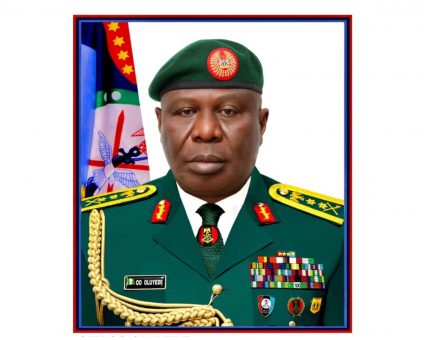
The Chief of Defence Staff, General Olufemi Oluyede, represented by the Chief of Defence Policy and Plans, Air Vice Marshal Francis Edosa, said the Nigerian Armed Forces was working towards deploying Nigerian Navy assets assigned to the task force. He said the move formed part of Nigeria’s commitment to regional maritime security and would support joint efforts to respond to threats affecting shipping, offshore installations and economic activities within the Gulf of Guinea. The task force has its headquarters in Lagos and involves multinational cooperation among participating coastal states.
The initiative brings together Côte d’Ivoire, The Gambia, Ghana, Liberia, Nigeria and Sierra Leone as pioneer participating countries. The African Union Peace and Security Council has backed the development of the force as a standing, ready-to-deploy maritime capability for coordinated responses to piracy and other transnational crimes. The AU has also encouraged participating states to provide the political, operational and logistical support required to move the task force from its existing framework into a fully functioning regional security mechanism.
Nigeria’s renewed push follows the formal flag-off of the Combined Maritime Task Force by President Bola Tinubu in Lagos in June 2026. During the event, Tinubu also commissioned three naval vessels and said stronger maritime cooperation was necessary to protect the country’s waters and economic interests. The task force is expected to complement existing regional arrangements by enabling participating navies to share intelligence, coordinate operations and respond collectively to maritime threats rather than relying solely on individual national efforts.
The latest discussions in Lagos also brought together naval representatives from about 25 countries for a symposium focused on strengthening maritime security cooperation and improving implementation of the Yaoundé Code of Conduct. Participants examined operational challenges and possible ways of improving coordination across West and Central African waters. With the Gulf of Guinea serving as an important route for international shipping and offshore energy activities, Nigerian authorities are seeking to translate the existing regional agreements and commitments into sustained joint operations capable of protecting vessels, maritime infrastructure and legitimate economic activities.