


INTERNATIONAL
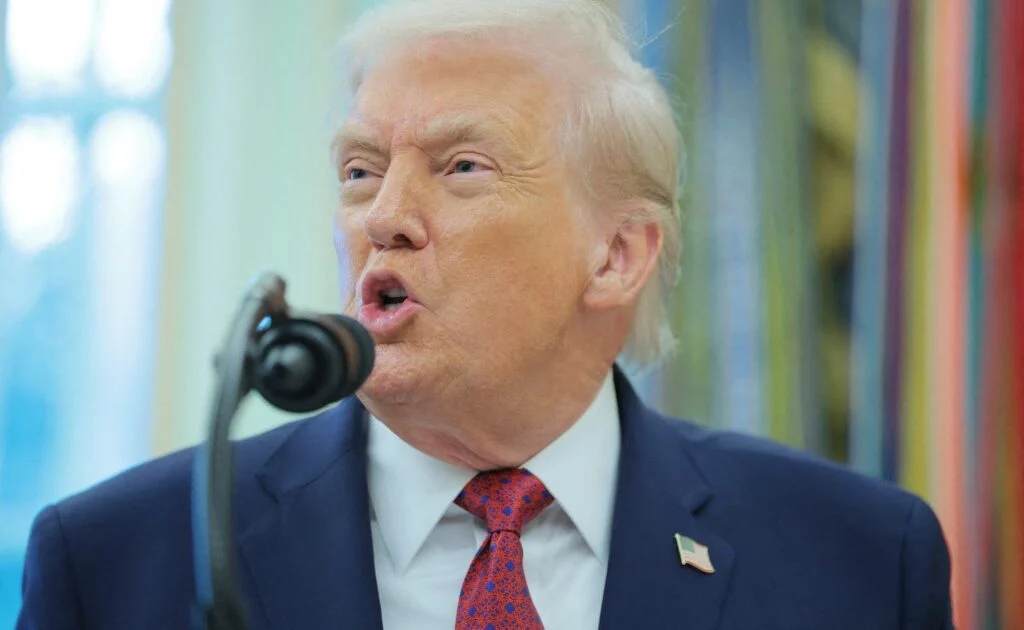
NIGERIA LOSES NEARLY ₦1TN IN EXPORTS TO US AFTER TRUMP TARIFF HIKE
Nigeria’s trade relationship with the United States took a sharp turn in 2025 as the country lost almost ₦1 trillion in export earnings within nine months, following higher tariffs introduced by the Donald Trump administration.
Data from the National Bureau of Statistics show that Nigeria’s exports to the US dropped by ₦940.98bn between January and September 2025, falling from ₦4.59tn in the same period of 2024 to ₦3.65tn. At the same time, imports from the US surged dramatically, more than doubling from ₦3.01tn to ₦6.80tn.
This shift reversed Nigeria’s trade position with the US. While the country recorded a trade surplus of ₦1.57tn in the first nine months of 2024, it slipped into a deficit of about ₦3.15tn over the same period in 2025.
The downturn coincided with the introduction of a new “reciprocal tariff” regime by the US government. In late July 2025, President Trump signed an executive order raising Nigeria’s tariff rate from 14 per cent to 15 per cent, with the policy taking effect on August 7. Although crude oil exports were largely exempted, the higher tariff applied to many non-oil Nigerian products, discouraging US importers and reducing demand.
Quarterly figures illustrate the impact. In 2024, Nigeria’s exports to the US grew steadily each quarter, helping the country maintain consistent trade surpluses. That pattern changed in 2025. Exports opened strong at ₦1.54tn in the first quarter but fell to ₦1.36tn in the second quarter and collapsed to ₦743.63bn in the third quarter. Imports moved in the opposite direction, rising sharply each quarter and widening the trade gap.
By mid-2025, the United States had dropped out of Nigeria’s top five export destinations, even though it remained one of the country’s biggest sources of imports. Product-level data show that while crude oil still dominated Nigeria’s exports early in the year, non-oil items such as cocoa, rubber and fertilisers recorded sharp declines as the year progressed.
Despite the figures, the Federal Government has played down fears of long-term damage. President Bola Tinubu said Nigeria’s growing non-oil revenues and broader economic reforms would help cushion the impact of external shocks. The Minister of Industry, Trade and Investment, Jumoke Oduwole, also said Nigeria would not rush into retaliatory measures but would focus on diversification, African trade under the AfCFTA, and stronger partnerships with countries such as China, Brazil, and the UAE.
Trade experts are divided. Some see the tariff shock as an opportunity for Nigeria to reduce over-reliance on the US market and expand exports elsewhere. Others argue that Nigeria’s narrow export base, dominated by crude oil, makes it vulnerable to policy shifts in key markets. Analysts also point to US visa restrictions on Nigerians as a bigger long-term threat to trade and investment ties than tariffs alone.
What is clear, however, is that the new US trade and immigration policies have exposed structural weaknesses in Nigeria’s export profile, raising fresh questions about how quickly the country can diversify its economy and protect itself from future external shocks.