


INTERNATIONAL
NEPAL MOURNS MORE THAN 1,300 VICTIMS AS SEARCH FOR FLOOD SURVIVORS CONTINUES
Nepal has observed a national day of mourning following the devastating glacial flood and mudslide that swept through parts of the country and neighbouring Tibet, killing at least 1,380 people and leaving more than 5,500 others missing. The disaster began on August 26 after a glacier collapsed along the Nepal-China border, sending a massive surge of water, rocks and mud through communities, destroying homes, roads and other infrastructure.
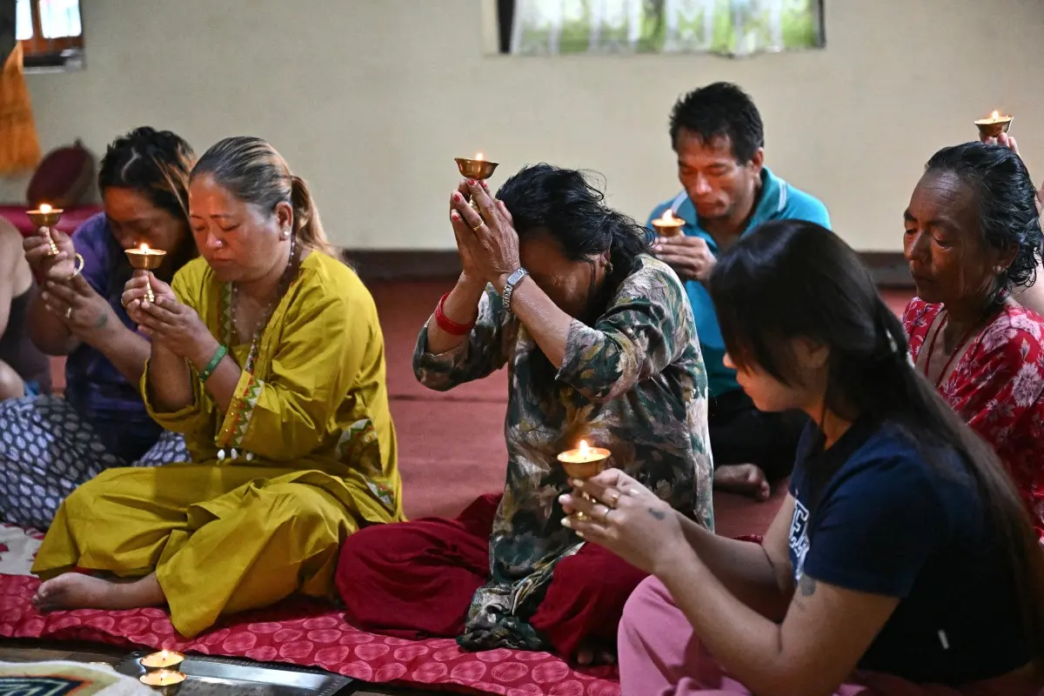
Government offices across Nepal, as well as its diplomatic missions abroad, lowered the national flag to half-mast on Monday as families observed the traditional 13th and final day of Hindu mourning. Authorities, however, avoided organising major public ceremonies because rescue teams are still working in affected areas in the hope of finding more survivors. The government said the ongoing search and rescue operation remains the priority as the scale of the disaster continues to unfold.
Despite the enormous death toll and widespread destruction, rescuers have recorded several remarkable survivals in recent days. Four people have reportedly been rescued alive, including a Chinese national who was found inside a tunnel at a hydropower project, two hydropower workers rescued from another tunnel and a Nepali woman who was discovered alive beneath the remains of her home. Rescue operations are now particularly focused on hydropower facilities, where authorities believe more people could still be trapped.
The disaster has also left thousands of families without the remains of their loved ones, forcing some to conduct symbolic funeral rites. In several communities, relatives have used straw or other symbolic objects to represent missing family members and perform traditional ceremonies after searches of hospitals and morgues failed to locate them. The shortage of space in morgues has also contributed to mass burials of unidentified victims, further deepening the grief surrounding the catastrophe.
As search efforts continue, Nepal is facing the enormous task of recovering from one of the country's worst recent natural disasters. President Ram Chandra Paudel has visited affected areas to assess the destruction, while Prime Minister Balendra Shah said security personnel successfully moved hundreds of prisoners in Nuwakot to safety as floodwaters approached. Authorities in Nepal and China are continuing rescue and recovery operations on both sides of the border, with hopes that additional survivors can still be found among the thousands who remain unaccounted for.