


INTERNATIONAL
NEPAL BEGINS MASS BURIALS AS DEVASTATING FLOOD DEATH TOLL HITS 752
Authorities in Nepal have begun burying victims of the catastrophic floods that swept through parts of the country, as the number of recovered bodies from the disaster has risen to 752.
The National Disaster Risk Reduction and Management Authority said the bodies were recovered from several districts affected by the devastating floods, while thousands of people remain unaccounted for. The latest figures indicate that 2,502 people are still missing.
The decision to begin mass burials was prompted by the growing number of bodies being recovered and the limited capacity of hospitals and mortuaries to preserve the remains.
Authorities have been carrying out DNA sampling and other forensic procedures before burying unidentified victims in an effort to preserve information that could later help families establish the identities of their missing relatives.
The Kathmandu Post reported that only 20 of 669 recovered bodies had been identified by relatives as of Saturday evening, highlighting the enormous challenge facing authorities. Many bodies were recovered from areas far downstream from where the floods struck, while others were badly damaged after being carried through mud and debris.
The disaster was triggered by a massive surge of water, mud and debris that swept through communities along the Nepal-Tibet border. The flooding caused widespread destruction, washing away homes, roads and bridges and damaging major infrastructure.
The affected areas include parts of Rasuwa, Nuwakot, Dhading, Gorkha, Nawalparasi East, Nawalparasi West, Tanahun and Chitwan. Chitwan has recorded the highest number of recovered bodies, with 259, while Nawalparasi East has recorded 184.
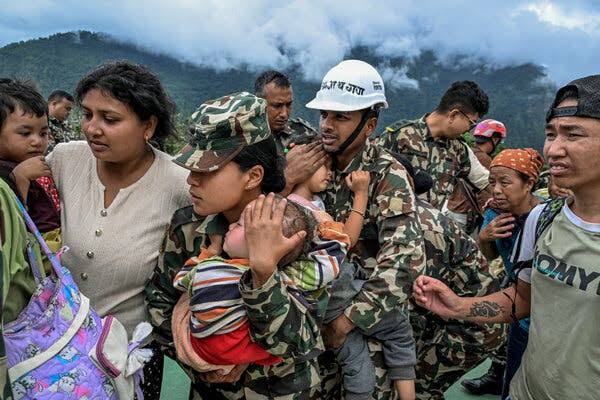
The scale of the disaster has also created major difficulties for rescue teams. Thousands of people have been deployed to search for survivors and missing persons, while damaged roads and bridges have made access to some of the worst-hit communities extremely difficult.
Among those still missing are hundreds of workers connected to hydropower projects. Rescue teams have been focusing particular attention on tunnels and other facilities where workers may have become trapped by mud and debris. Recent reports indicate that 933 people associated with hydropower projects remain unaccounted for.
The floods have also left tens of thousands of people in need of assistance. Entire communities were swept away, while schools, electricity facilities, roads and bridges suffered extensive damage.
The International Red Cross has estimated that about 93,000 people could have been affected by the disaster, while humanitarian agencies continue to assess the full extent of the destruction.
The situation has been particularly distressing for families who are still searching for missing relatives. Hospitals and temporary identification centres have been crowded with people hoping to find information about loved ones who disappeared during the floods.
Authorities are continuing rescue and recovery operations while warning communities in vulnerable areas to remain alert to the possibility of further flooding.
The latest disaster has become one of the most devastating natural disasters to hit Nepal in recent years, leaving authorities facing the dual challenge of recovering bodies and searching for thousands of missing people while beginning the difficult process of rebuilding affected communities.