


BUSINESS &ECOMONY
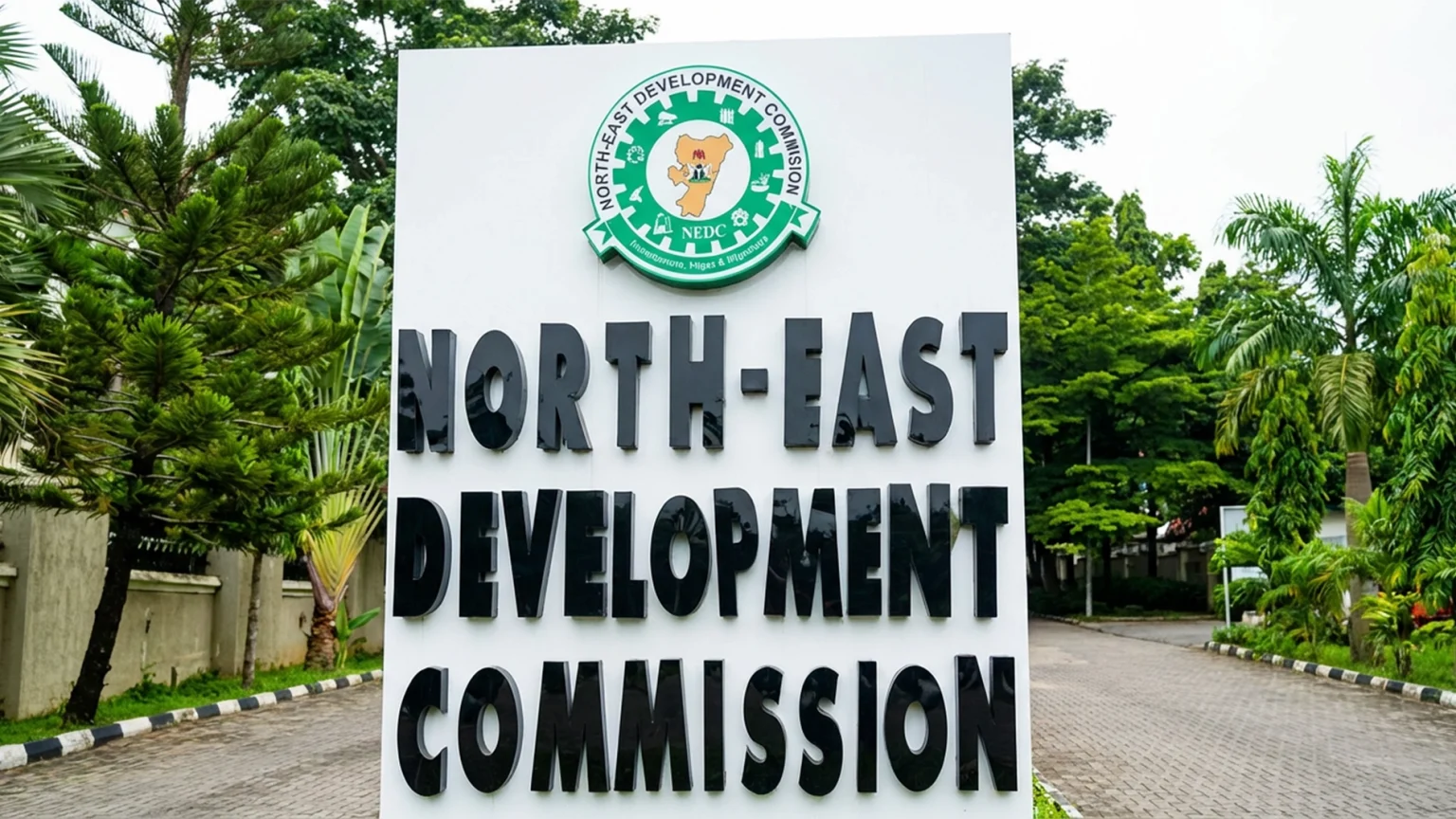
NEDC DEPLOYS 1,330 ELECTRIC VEHICLES TO CUT TRANSPORT COSTS, CREATE JOBS
The North-East Development Commission (NEDC) has deployed 1,330 electric vehicles as part of efforts to reduce transportation costs, create employment opportunities and support economic development across Nigeria’s North-East region.
The initiative is expected to improve access to affordable transportation while introducing more environmentally friendly alternatives to petrol-powered vehicles. It also reflects growing interest in electric mobility as Nigeria explores ways to reduce dependence on conventional fuels and ease the financial burden of transportation on residents.
Transportation costs remain a major concern for many Nigerians, affecting workers, traders, students and small business owners. Rising fuel prices often translate into higher fares and increased expenses for moving goods and services. By introducing electric vehicles, the NEDC aims to provide an alternative that could help reduce some of these pressures.
Beyond transportation, the deployment is expected to create job opportunities for drivers, technicians, mechanics and other workers involved in operating and maintaining the vehicles. The programme could also encourage the development of supporting services, including charging infrastructure, battery maintenance and electric vehicle repairs.
Electric vehicles generally have lower energy and routine maintenance costs than comparable petrol-powered vehicles. However, their long-term benefits will depend on reliable charging facilities, battery durability, access to spare parts and the availability of trained technicians.
The initiative could be particularly significant for communities in the North-East, where improving transportation links can support trade, access to essential services and local economic activities.
For the programme to deliver lasting benefits, effective management, proper vehicle maintenance and adequate charging facilities will be essential. Ensuring that the vehicles remain operational and accessible to the people who need them will also determine the initiative’s overall impact.
The NEDC’s deployment represents a step towards exploring cleaner transportation options while linking infrastructure investment with employment generation. If properly implemented, the programme could help reduce operating costs, strengthen local transport services and create new opportunities for young people across the region.