


BUSINESS
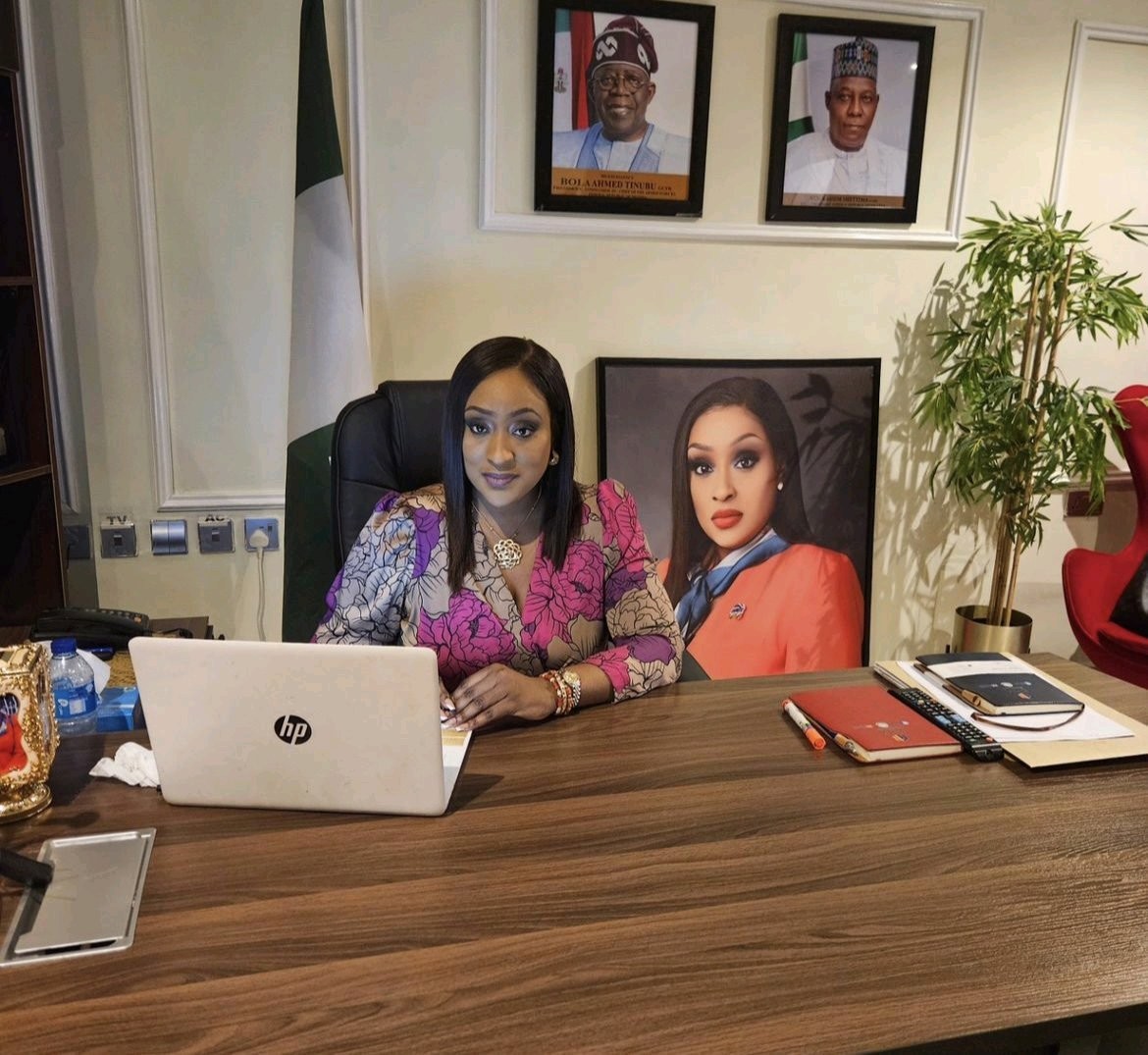
NDPHC CEO PUSHES FOR SUBSIDY REMOVAL, HIGHER ELECTRICITY TARIFFS
The Managing Director and Chief Executive Officer of the Niger Delta Power Holding Company, Jennifer Adighije, has urged the Federal Government to review and increase electricity tariffs for Band B to E consumers across Nigeria.
Adighije made the appeal in a recent statement issued in Lagos, emphasising that phasing out electricity subsidies for all categories of consumers would enhance the financial health of the country’s power sector.
She noted that building a financially viable electricity market is critical to restoring investor confidence, attracting greater private sector investment, and ensuring long-term sustainability within the industry.
According to her, liquidity challenges remain a major concern in the sector, as only about 30 per cent of invoices issued across the electricity value chain are currently being settled, thereby placing significant financial pressure on operators.
“To resolve these systemic challenges, government subsidies should be separated from electricity tariffs, while fully cost-reflective tariffs should be gradually implemented across all customer segments,” she said.
In April 2024, the Federal Government approved a tariff increase for Band A customers under the service-based tariff framework. However, despite the adjustment, many Nigerians continue to experience inconsistent and unreliable power supply nationwide.
Meanwhile, debates have intensified in recent days over legacy debts in the power sector. Electricity generation companies have claimed that the Federal Government owes them about N6.5 trillion, a figure that has been strongly contested by the Nigeria Labour Congress.
Following an audit, President Bola Ahmed Tinubu reportedly stated that the verified debt stood at N2.8 trillion, a position that generation companies have since rejected.