


BUSINESS
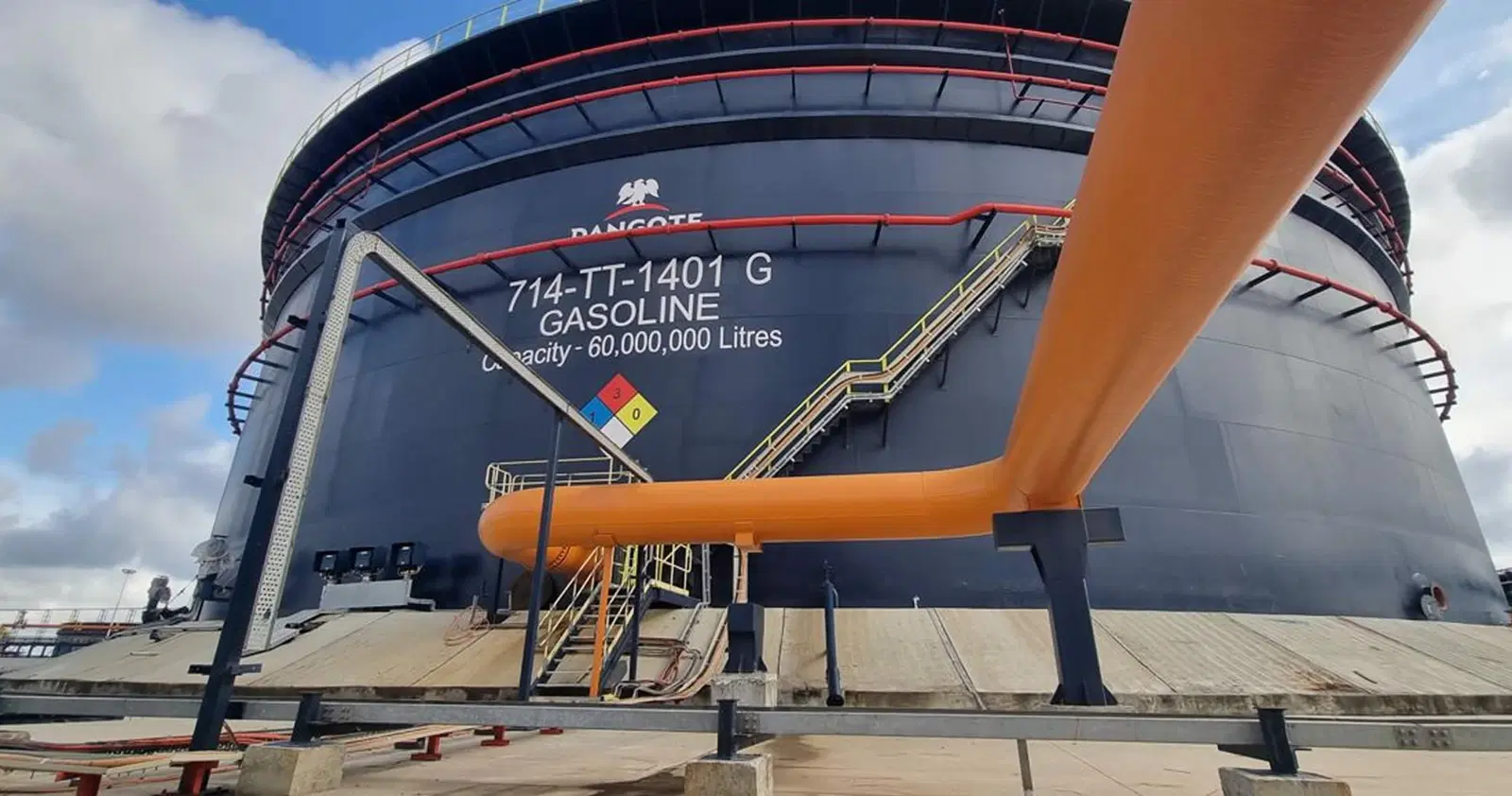
NAIRA-FOR-CRUDE DEAL SUCCESSFUL, BUT DANGOTE REFINERY STILL IMPORTS 65% OF CRUDE — CEO
The Chief Executive Officer of Dangote Refinery, David Bird, has described President Bola Ahmed Tinubu’s Naira-for-Crude arrangement with the refinery as a success, even as the plant continues to import about 65 per cent of its crude oil requirements.
Bird disclosed this on Wednesday during a news conference, explaining that the Nigerian National Petroleum Company Limited (NNPC) currently supplies between 35 and 40 per cent of crude oil used by the 650,000-barrel-per-day refinery.
He noted that efforts are ongoing to increase local crude supply to the facility.
According to him, the crude-for-naira arrangement currently accounts for about 30 to 35 per cent of the refinery’s crude supply, adding that discussions are underway to raise the allocation.
“The president of the refinery, Aliko Dangote, is in continuous talks with NNPC to increase the level of crude allocation. We consider the arrangement highly successful and appreciate the support from the government,” Bird said.
He also clarified that the refinery does not import finished petroleum products, stressing that only intermediate feedstocks and components are brought in to enhance production capacity.
“I can assure you that we are not importing finished products. As a refinery, we have no interest in doing that. What we import are intermediate feedstocks and components,” he stated.
The Federal Government introduced the Naira-for-Crude policy in October 2024 as part of efforts to cut production costs and ease pressure on foreign exchange. Although the arrangement encountered setbacks in early 2025, the government announced its indefinite continuation in April.
However, Bird noted that despite the deal, global crude oil prices continue to influence domestic fuel prices. He cited the recent increase in Dangote Refinery’s petrol gantry prices, which triggered a nationwide rise in pump prices to between N839 and N905 per litre, as evidence of the impact of global market forces on local fuel costs.