


BUSINESS
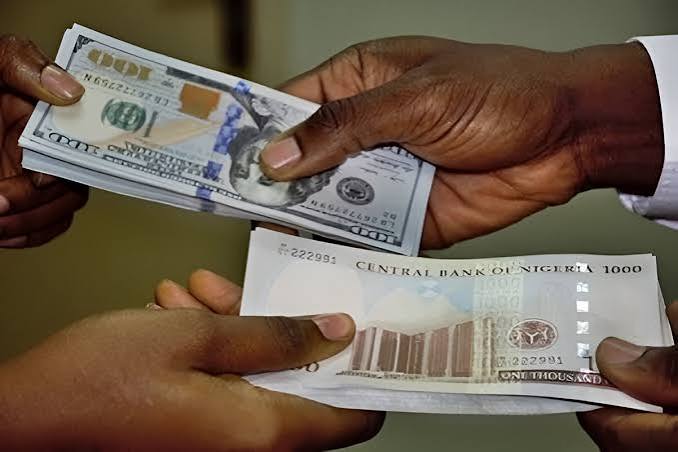
NAIRA- DOLLAR RATE DIFFERENCE WIDENS AS PARALLEL MARKET TRADES ABOVE OFFICIAL WINDOW
The naira is facing a fresh disparity against the United States dollar as the exchange rate in the parallel market continues to differ from the rate recorded in the official foreign exchange market.
The development highlights the continuing gap between the different segments of Nigeria’s foreign exchange market, with businesses and individuals who rely on dollar transactions potentially facing different rates depending on where they obtain foreign currency.
The difference has become an important indicator for the Nigerian economy because movements in the naira-dollar exchange rate directly affect the cost of imported goods, raw materials, machinery and other products purchased with foreign currency. A wider gap can also create uncertainty for businesses attempting to plan their costs and manage foreign-exchange exposure.
Recent market movements have shown that the official Nigerian Foreign Exchange Market and the parallel market do not always move in complete alignment. While the official window reflects transactions conducted through regulated channels, parallel-market rates are influenced by demand and supply conditions outside that market.
For consumers, the exchange-rate disparity can ultimately feed into prices, particularly where businesses depend heavily on imported inputs. Importers may have to spend more naira to obtain dollars when the parallel-market rate is higher, increasing their operating costs and potentially putting additional pressure on prices.
The foreign-exchange situation also remains significant for investors and companies seeking to determine the real cost of doing business in Nigeria. Stability and greater convergence between exchange-rate segments are generally viewed as important to improving confidence and making financial planning easier.
The latest development comes amid continuing efforts by the Central Bank of Nigeria to deepen liquidity and improve transparency in the foreign-exchange market. The effectiveness of those measures remains closely watched as businesses and households continue to deal with the impact of currency movements.
Analysts and market participants will therefore be monitoring whether the difference between the official and parallel rates narrows in the coming days or whether renewed dollar demand puts further pressure on the naira.
For Nigerians, the exchange-rate movement remains more than a financial-market issue, as changes in the value of the naira against the dollar can have wider consequences for the prices of goods, services and imported products across the economy.