


BUSINESS
N4.65TN BANK RECAPITALISATION STRENGTHENS SECTOR’S FINANCIAL POSITION
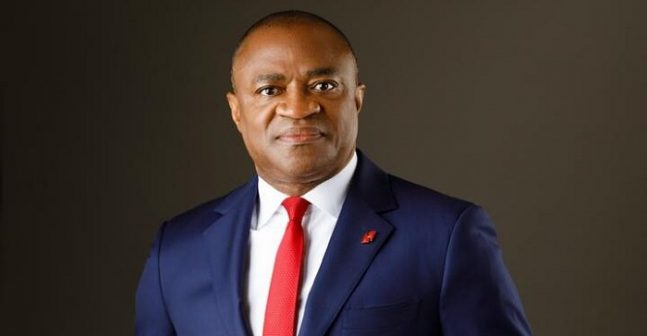
The Group Managing Director and Chief Executive Officer of United Bank for Africa, Oliver Alawuba, has said the N4.65 trillion raised by 33 Nigerian banks through the recently concluded recapitalisation exercise will strengthen the financial position of the banking sector and improve asset quality. He said the additional capital would give lenders greater capacity to absorb economic shocks, support larger projects and maintain stronger balance sheets.
Alawuba made the remarks while speaking on developments in Nigeria’s economy and financial sector, noting that the recapitalisation represented an important step in strengthening capital adequacy across the banking industry. The exercise was introduced by the Central Bank of Nigeria as part of efforts to ensure that banks have sufficient capital to withstand domestic and external pressures while continuing to provide financing for economic activities.
The CBN had set revised minimum capital requirements for banks, with institutions given a 24-month period ending March 31, 2026, to meet the new thresholds. By the conclusion of the exercise, 33 banks had met the revised requirements and raised a combined N4.65 trillion. The apex bank said the programme also strengthened banks’ capital adequacy ratios, with the sector maintaining levels above applicable international Basel benchmarks.
According to Alawuba, the stronger capital base is particularly important as banks deal with risks associated with loan quality, economic volatility and the changing regulatory environment. He said improved capital positions would enhance balance-sheet transparency, strengthen investor confidence and enable financial institutions to absorb losses without undermining the stability of the wider banking system.
Alawuba also highlighted investments in technology, cybersecurity and operational resilience as additional measures supporting the banking sector. He said four leading Nigerian banks invested more than N119 billion in technology during the first quarter of 2026, representing a 43.2 per cent increase compared with the same period in 2025. He urged continued cooperation among government, regulators and financial institutions to ensure that the stronger banking system translates into greater financing for productive sectors and broader economic opportunities.