


NEWS XTRA
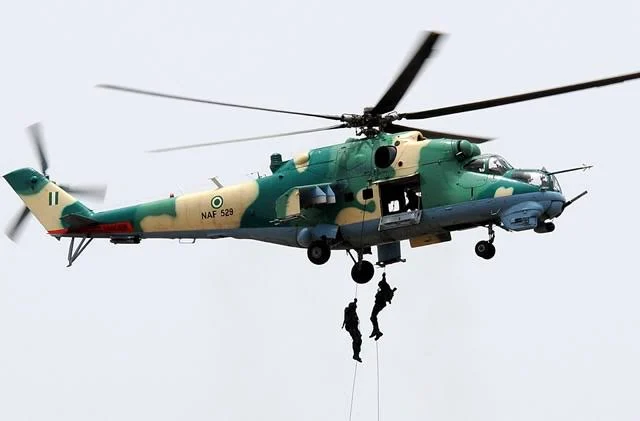
MILITARY AIR CRASHES: 10 INCIDENTS IN FIVE YEARS TRIGGER CALLS FOR REFORMS
Aviation experts and safety advocates demand urgent institutional overhaul following a sobering accumulation of fatal military aviation mishaps resulting in significant personnel loss
A string of tragic military aviation accidents culminating in the recent Ondo State crash has brought the total number of recorded Nigerian military air incidents to 10 over the past five years, prompting intensive demands for comprehensive safety reforms.
Data compiled across the 2021-2026 window indicate that these occurrences have claimed upwards of 60 lives, severely impacting specialized personnel pipelines within the armed forces and intensifying scrutiny over operational maintenance frameworks.
Industry stakeholders, including aviation analysts and safety unions, have urged the Federal Government to decouple military flight safety investigations from internal command structures by fostering deeper collaboration with civil aviation regulatory bodies.
Proponents of reform argue that independent oversight, enhanced diagnostic transparency, and stricter adherence to international airworthiness standards are imperative to safeguarding flight crews who operate under high-stress tactical and logistical demands.
Defense authorities have previously emphasized their commitment to continuous fleet audits, routine maintenance protocols, and equipment modernization initiatives designed to mitigate mechanical failures.
However, civil society groups insist that regular maintenance updates must be accompanied by independent technical reviews and upgraded training simulators to ensure structural vulnerabilities are promptly addressed before deployment.