


INTERNATIONAL
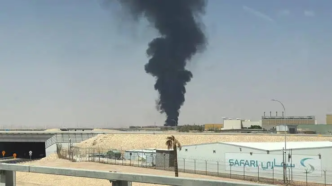
MIDDLE EAST TENSIONS PUSH OIL MARKET HIGHER AS SUPPLY RISKS GROW
Crude oil prices moved higher on Monday following attacks by Iran-backed Houthi rebels on Saudi Arabia, raising fresh concerns about possible disruptions to energy supplies from the Middle East. The Houthis launched missile and drone attacks towards Riyadh on Saturday, adding another layer to the wider regional conflict and increasing concerns among traders about the security of oil infrastructure and major shipping routes.
The latest attacks came amid continuing tensions between the United States and Iran, with diplomatic efforts yet to produce a clear breakthrough. Saudi Arabia, one of the world's largest oil producers, has faced repeated threats to its energy infrastructure during the conflict, while attacks on oil routes have increased concerns about the reliability of supplies from the region. The developments have kept geopolitical risks firmly in focus across global energy markets.
Brent crude futures were reported at $104.68 per barrel after gaining 81 cents, representing a 0.78 per cent increase, while US West Texas Intermediate crude rose 76 cents, or 0.76 per cent, to $101.06 per barrel. The initial rise reflected renewed concerns that further attacks could disrupt production, transportation or exports from the Middle East, particularly if key oil facilities, pipelines or maritime routes become affected.
Despite the security concerns, oil flows from the region have continued, helping to limit fears of a larger supply shock. Saudi Arabia has increased crude exports through the Strait of Hormuz after disruptions affected some shipments through the Red Sea port of Yanbu. Saudi exports were reported to have recovered to more than four million barrels per day in September, compared with about 2.4 million barrels per day in August, although the movement of vessels through the Strait of Hormuz remains significantly below normal levels.
Investors are now closely watching developments involving Saudi Arabia, the Houthis, Iran and the United States as they assess the possible effect on global energy supplies. Further attacks on oil facilities, pipelines or major shipping routes could increase pressure on crude prices, while diplomatic progress between Washington and Tehran could ease some of the risk premium in the market. US President Donald Trump has expressed openness to meeting Iranian President Masoud Pezeshkian during the United Nations General Assembly, although tensions and threats between the two sides remain.